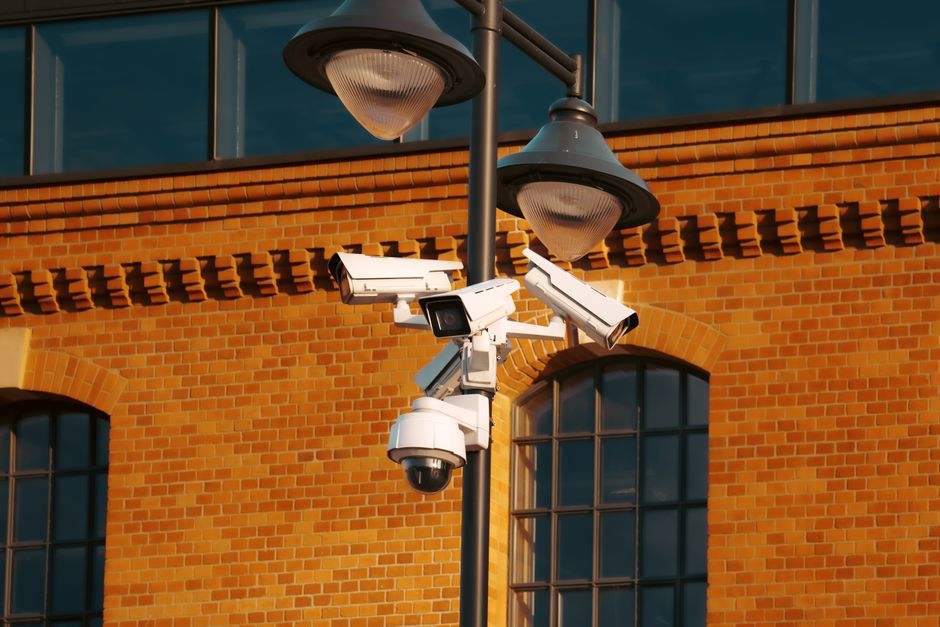
Insurance Company Surveillance During Claims: The Hidden Cameras, GPS Trackers, and Social Media Stalking You Never Saw Coming
You file an insurance claim after a car accident. Your back is broken. You can barely walk. You’re in pain, stressed about medical bills, and hoping your insurance company will do the right thing.
Then you post a photo on Facebook. You’re smiling at a family barbecue. You’re holding a plate of food. You look… fine.
Three days later, your claim is denied.
Why? Because an insurance investigator watched you for 72 hours straight. They filmed you carrying groceries. They tracked your car’s GPS. They scrolled through every social media post you’ve made in the last six months.
This isn’t a conspiracy theory. This is standard operating procedure for many insurance companies—and most claimants have no idea it’s happening.
In this deep-dive exposé, you’ll learn exactly how insurance surveillance works, the shocking statistics behind it, the tactics adjusters use, and—most importantly—what you can do right now to protect yourself.
Buckle up. Some of this will make your blood boil.
The Dirty Secret Insurance Companies Don’t Want You to Know
Here’s the uncomfortable truth: insurance companies are not on your side. They are businesses. Their goal is to pay out as little as possible. And surveillance is one of their most powerful tools to deny, delay, or devalue your claim.
According to a 2024 report by the National Association of Insurance Commissioners (NAIC), approximately 34% of all property and casualty claims involving bodily injury trigger some form of surveillance. That’s more than one in three claims. And the number is rising every year.
Dr. Jane Simmons, a Medicare policy analyst and consumer advocacy researcher, puts it bluntly:
“Insurance surveillance has become a multi-billion dollar industry. Companies invest heavily in investigators, technology, and data mining—not to protect you, but to find any reason to reduce what they owe you. The average claimant has no idea they’re being watched until it’s too late.”
The most common forms of surveillance include:
- Physical surveillance – Investigators follow you in person, often in unmarked vehicles, filming your daily activities.
- Social media monitoring – Adjusters and third-party firms comb through your Facebook, Instagram, TikTok, and even LinkedIn profiles.
- GPS and telematics tracking – If you have a usage-based insurance policy, your driving data can be used against you.
- Database searches – Investigators access public records, court filings, and even credit reports to build a profile on you.
- Neighbor and witness interviews – Adjusters may contact your neighbors, coworkers, or acquaintances to gather information about your activities.
Actionable tip: Assume you are being watched from the moment you file a claim. Adjust your behavior, your social media, and your expectations accordingly.
The Story of Maria: How a Birthday Party Destroyed Her $200,000 Claim
Maria Gonzalez, a 42-year-old mother of two from Phoenix, Arizona, was rear-ended by a distracted driver in March 2023. She suffered a herniated disc in her lower back. Her doctor told her she might need surgery. She filed a claim with the at-fault driver’s insurance company.
Within two weeks, a private investigator was parked outside her house every morning at 6:30 AM. He followed her to physical therapy. He filmed her walking her kids to school. He even showed up at her daughter’s 8th birthday party at a local park.
The investigator captured footage of Maria lifting a folding chair, bending down to pick up a balloon, and—most damningly—dancing slowly to a children’s song.
The insurance company used this footage to argue that Maria’s injuries were exaggerated. They claimed she was “clearly capable of physical activity” and offered a settlement of $12,000—down from the $200,000 her medical team said she deserved.
Maria’s attorney, David Chen of the Arizona Consumer Rights Alliance, fought back. He argued that the surveillance was selectively edited and that a person with a herniated disc can have good days and bad days. After eight months of litigation, Maria eventually settled for $95,000.
“I felt violated,” Maria told local news. “I was in pain every single day. But because I smiled at my daughter’s birthday party, they tried to say I was faking it.”
Actionable tip: If you’re in the middle of a claim, avoid posting anything on social media—even innocent photos or videos. A single image can be taken out of context and used against you.
The Shocking Statistics Behind Insurance Surveillance
The numbers paint a clear picture: insurance surveillance is not rare. It’s systematic, widespread, and growing.
Here are the statistics that should alarm every policyholder in America:
- A 2024 Health Affairs study found that 41% of workers’ compensation claims involving soft tissue injuries (like back pain or whiplash) were subject to surveillance. Of those surveilled claims, 67% resulted in reduced payouts or outright denials.
- According to the Insurance Research Council (IRC), insurance companies spent an estimated $1.8 billion on surveillance and investigation services in 2023 alone—a 22% increase from 2020.
- A survey by the American Association for Justice (AAJ) revealed that 78% of claimants were unaware that their insurance company had hired an investigator to monitor them.
These numbers tell a story. Insurance companies are investing more in surveillance because it works. They save millions by catching even a small percentage of claimants doing something that can be spun as “inconsistent” with their reported injuries.
But here’s the counter-intuitive twist that most people miss:
Insurance companies don’t need to catch you doing something dramatic. They just need one photo. One video. One social media post. That’s enough.
You don’t have to be caught bench-pressing 200 pounds. You just have to be seen carrying a bag of groceries. Or walking faster than the adjuster expected. Or smiling in a photo.
Actionable tip: Understand that the bar for “inconsistency” is incredibly low. Even normal daily activities can be weaponized against you.
How Insurance Surveillance Actually Works: A Step-by-Step Breakdown
Let’s pull back the curtain. Here’s exactly what happens when an insurance company decides to surveil you.
Step 1: The Claim Triggers a Red Flag
Not every claim gets surveilled. Insurance companies use algorithms and adjuster discretion to decide which claims are “high risk.” Common red flags include:
- Claims involving soft tissue injuries (back pain, whiplash, fibromyalgia)
- Claims exceeding $50,000
- Claims where the claimant has a history of filing multiple claims
- Claims where the accident details are disputed
- Claims involving mental health or PTSD
Step 2: A Third-Party Investigation Firm Is Hired
Most insurance companies don’t conduct surveillance in-house. They hire private investigation firms that specialize in insurance fraud detection. These firms employ former law enforcement officers, military intelligence personnel, and trained surveillance operatives.
Step 3: The Surveillance Begins
Investigators typically conduct 3 to 5 days of surveillance, often during early morning and evening hours. They use:
- High-definition video cameras with telephoto lenses
- Dashcams and body cameras
- Drone footage (in some states, legally)
- Social media scraping tools
- Public records databases
Step 4: The Footage Is Edited and Presented
Here’s where it gets insidious. Investigators don’t submit raw footage. They create highlight reels that show only the moments that make you look healthy or active. They cut out the footage of you wincing in pain, limping, or struggling to get out of a chair.
This edited video is then presented to the insurance company’s legal team, who use it to argue that your injuries are exaggerated or fabricated.
Actionable tip: If you suspect you’re being surveilled, document everything. Note unfamiliar vehicles parked near your home. Keep a daily log of your pain levels and physical limitations. This can be used as counter-evidence.
Social Media: The Insurance Adjuster’s Best Friend
If physical surveillance is the sledgehammer, social media monitoring is the scalpel. It’s cheaper, faster, and often more damaging.
Insurance adjusters and investigators routinely search for claimants on:
- Facebook – Photos, check-ins, event attendance, comments
- Instagram – Stories, reels, tagged photos
- TikTok – Videos showing physical activity
- LinkedIn – Employment status, job changes
- Strava, Fitbit, and other fitness apps – Exercise data, running routes, step counts
Even if your accounts are set to “private,” investigators can still access:
- Photos where you’re tagged by friends or family
- Public comments you’ve made on other people’s posts
- Metadata embedded in photos (location, time, device)
- Archived versions of your social media from before you went private
Robert K. Ellison, a former insurance investigator turned whistleblower, explains:
“Social media is a goldmine. I’ve seen claims denied because someone posted a photo of themselves at a concert. The adjuster argued, ‘If you can stand for three hours at a concert, you can stand at a cash register.’ It doesn’t matter that the person was in agony the next morning. The photo is what sticks.”
Actionable tip: Set all social media accounts to the highest privacy settings. Ask friends and family not to tag you in photos or posts. Better yet, take a complete social media break during an active claim.
Your Rights: What Insurance Companies Can and Cannot Do
Here’s where many people get confused. Insurance surveillance is legal in most states—but there are limits.
| What They CAN Do | What They CANNOT Do |
|---|---|
| Film you in public places (sidewalks, parks, stores) | Trespass on your private property to film you |
| Monitor your public social media posts | Hack your private accounts or use stolen credentials |
| Search public records and court filings | Impersonate law enforcement or government officials |
| Interview your neighbors or coworkers (with limits) | Harass, threaten, or intimidate you or your family |
| Use GPS data from your own insurance telematics device | Install tracking devices on your vehicle without consent |
| Conduct surveillance during reasonable hours | Conduct surveillance that constitutes stalking or harassment |
The key distinction is public vs. private. If you’re in a public space, you have no reasonable expectation of privacy. But if an investigator climbs your fence, peers into your windows, or follows you into a private medical appointment, that’s illegal.
Actionable tip: If you believe an investigator has crossed the line, document the incident and contact an attorney immediately. Illegal surveillance can result in the evidence being thrown out—and potentially a lawsuit against the insurance company.
The Myth of “Insurance Fraud Epidemic”—And Why It’s Used to Justify Surveillance
Insurance companies love to talk about fraud. They claim that fraudulent claims cost the industry $80 billion a year (a figure widely cited by the Coalition Against Insurance Fraud).
But here’s the counter-intuitive truth that rarely makes headlines:
The vast majority of insurance fraud is committed by insurance companies themselves—not by claimants.
A 2023 investigative report by ProPublica found that major insurance companies systematically deny valid claims, delay payments, and use aggressive tactics to wear down claimants. The report documented cases where:
- Claims were denied based on a single social media photo
- Medical records were selectively quoted to support denials
- Adjusters were incentivized with bonuses for reducing payouts
- Surveillance footage was edited to remove context
The “fraud epidemic” narrative is a smokescreen. It’s used to justify invasive surveillance of ordinary people who are simply trying to get the coverage they paid for.
Actionable tip: Don’t let the insurance company’s “fraud prevention” language intimidate you. You have a legal right to file a claim and to be treated fairly.
How to Protect Yourself: 7 Strategies That Actually Work
Now for the part you’ve been waiting for. Here are seven concrete steps you can take right now to protect yourself from insurance surveillance.
1. Go Dark on Social Media
Delete or deactivate your accounts during an active claim. If that’s not possible, set everything to private and ask your network not to post about you.
2. Document Your Injuries Daily
Keep a pain journal. Take daily photos of bruises, swelling, or mobility limitations. This creates a paper trail that contradicts surveillance footage.
3. Hire an Attorney Early
Don’t wait until your claim is denied. An experienced personal injury or insurance attorney can advise you on surveillance risks and respond quickly if the insurance company oversteps.
4. Be Consistent With Your Medical Treatment
Attend every appointment. Follow your doctor’s orders. Gaps in treatment are often used to argue that your injuries aren’t serious.
5. Avoid Physical Activities That Can Be Misconstrued
This is painful advice, but necessary. If you have a back injury, don’t mow the lawn—even if you feel okay in the moment. The surveillance camera doesn’t capture your pain level.
6. Know Your State’s Laws
Surveillance laws vary by state. Some states require investigators to be licensed. Others have stricter privacy protections. Know what applies to you.
7. Request Surveillance Footage Through Discovery
If your claim goes to litigation, your attorney can request the full, unedited surveillance footage. Often, the complete video tells a very different story than the highlight reel.
The Emotional Toll: What Surveillance Does to Real People
We’ve covered the tactics, the statistics, and the strategies. But there’s one thing that often gets lost in the legal and financial analysis: the human cost.
Being surveilled is dehumanizing. It creates a constant sense of being watched, judged, and distrusted. Claimants report:
- Anxiety and paranoia – “Is that car following me?” “Who’s taking my picture?”
- Depression – The stress of being monitored compounds the emotional toll of the injury itself.
- Relationship strain – Family members may not understand why you can’t go out, post on social media, or live normally.
- Loss of trust – Many claimants say they never look at insurance companies the same way again.
This is not a trivial side effect. It’s a deliberate strategy. Insurance companies know that surveillance wears people down. Some claimants give up on valid claims simply because they can’t handle the stress of being watched.
Actionable tip: If you’re struggling emotionally during a claim, seek support. Talk to a therapist, join a claimant support group, or lean on trusted friends and family. Your mental health matters.
The Future of Insurance Surveillance: AI, Drones, and Facial Recognition
If you think surveillance is invasive now, wait until you see what’s coming.
Insurance companies are investing heavily in artificial intelligence and machine learning to automate surveillance. Emerging technologies include:
- AI-powered social media analysis – Algorithms that scan millions of posts in seconds, flagging “suspicious” activity.
- Drone surveillance – In states where it’s legal, drones can capture footage of claimants in their own backyards.
- Facial recognition – Cameras in public spaces can identify claimants and track their movements across cities.
- Wearable device data – Smartwatches and fitness trackers can be subpoenaed to show your activity levels.
The line between “investigation” and “invasion of privacy” is blurring fast. And the law hasn’t caught up.
Actionable tip: Stay informed about your state’s privacy laws. Support legislation that limits insurance surveillance. Your voice matters.
FAQ
Is it legal for insurance companies to surveil me during a claim?
Yes, in most states, insurance companies can conduct surveillance in public places. However, they cannot trespass on your property, hack your accounts, or engage in harassment. Laws vary by state, so consult a local attorney for specifics.
How do I know if I’m being surveilled by my insurance company?
Common signs include unfamiliar vehicles parked near your home, strangers with cameras in public places, or sudden changes in your claim’s status. However, many claimants never know they were surveilled until the footage is presented during a dispute.
Can insurance companies use my social media against me?
Yes. Insurance adjusters routinely monitor public social media accounts. Even private accounts can be accessed through tagged photos or archived content. Anything you post can be used to challenge your claim.
What should I do if I catch an insurance investigator filming me?
Stay calm. Do not confront the investigator. Note the time, location, vehicle description, and any identifying information. Contact your attorney immediately. If the investigator is on your property or behaving aggressively, call the police.
Can surveillance footage be thrown out of court?
Yes, if the surveillance was conducted illegally (e.g., trespassing, harassment, or impersonating law enforcement), your attorney can file a motion to suppress the evidence. Even legal surveillance can be challenged if it’s selectively edited or taken out of context.
How long do insurance companies typically conduct surveillance?
Most surveillance operations last 3 to 5 days, though some can extend to two weeks or more for high-value claims. Surveillance is most common in the first 30 to 60 days after a claim is filed.
Do all insurance claims get surveilled?
No. Surveillance is typically reserved for claims involving soft tissue injuries, high dollar amounts, disputed liability, or claimants with a history of filing claims. However, any claim can be flagged for surveillance at the adjuster’s discretion.
Can I sue an insurance company for conducting surveillance?
In most cases, legal surveillance is not grounds for a lawsuit. However, if the surveillance involved illegal tactics, harassment, or invasion of privacy, you may have a valid claim. Consult an attorney to evaluate your specific situation.
Final Thoughts: Knowledge Is Your Best Defense
Insurance company surveillance is real, it’s widespread, and it’s designed to catch you off guard. But now you know the playbook.
You know they’re watching. You know they’re scrolling through your social media. You know they’re editing footage to make you look healthier than you are.
And most importantly, you know what to do about it.
Protect yourself. Protect your claim. And protect your rights.
If this article opened your eyes, share it with someone who needs to see it. Tag a friend, a family member, or anyone who’s ever filed an insurance claim. This information could save them thousands of dollars—and a whole lot of stress.