What Is Inland Marine Insurance? Simply Explained (The Coverage Most Businesss Don’t Know They’re Missing)
Here’s a scenario that keeps business owners up at night:
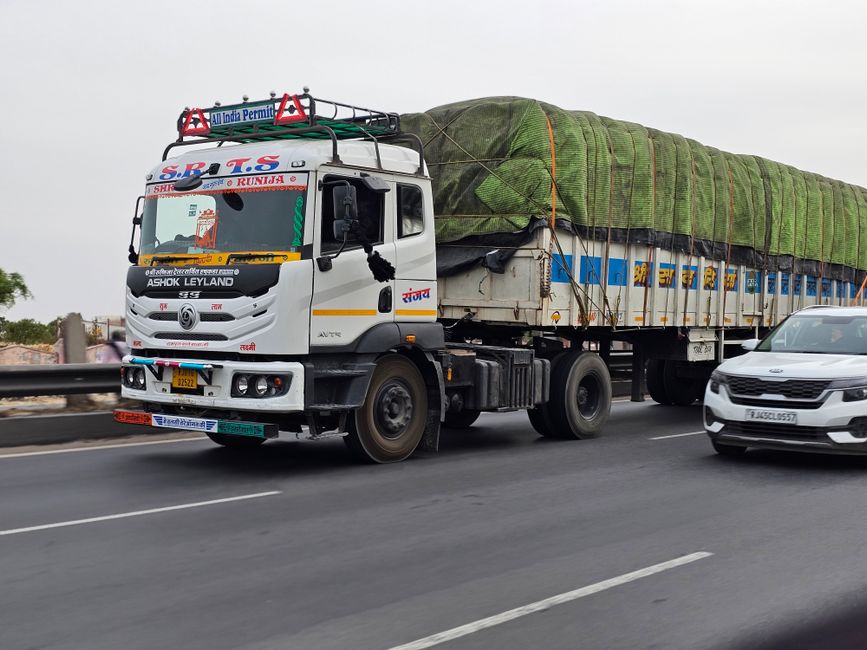
You’ve just finished a $180,000 custom kitchen renovation. The client is thrilled. Your crew loads the last cabinet into the truck. Two hours later, you get the call: there was an accident on the highway. The truck flipped. Your tools, materials, and that custom cabinet are destroyed.
You breathe a sigh of relief—until your insurance agent says, “Sorry, your general liability and commercial auto policies don’t cover that.”
That’s the exact moment most people discover inland marine insurance—after it’s too late.
This guide will explain, in plain English, what inland marine insurance is, who needs it, what it covers, what it doesn’t, and how to get the right policy without overpaying. No jargon. No fluff. Just what you need to know to stop gambling with your business.
Wait—Inland Marine? I Don’t Own a Boat
Let’s clear up the biggest misconception first.
Inland marine insurance has almost nothing to do with boats and everything to do with stuff that moves.
Historically, “marine” insurance covered ships and cargo on the ocean. As commerce moved inland—via trains, trucks, and warehouses—insurers created a new category for property that moves over land: “inland marine.”
Today, inland marine insurance is a specialized form of property coverage for:
- Property in transit (on trucks, trains, or even hand-carried)
- Property held at temporary locations (job sites, trade shows, client offices)
- Property that belongs to someone else but in your care, custody, or control
- Specialized high-value equipment (cameras, medical devices, construction machinery)
If your business owns, uses, or handles valuable items that aren’t sitting permanently in one locked office, there’s a good chance you need inland marine insurance—or at least need to understand it.
Do this now: Grab a sticky note and write down every piece of equipment, tool, or product that leaves your main location in a typical week. If the list is longer than five items, keep reading.
Why Most Businesses Are Dangerously Underinsured
Many business owners assume their commercial property insurance or general liability policy will cover everything. That assumption is often wrong—and expensive.
Consider these realistic numbers:
- Over 60% of small-to-mid-sized businesses that suffer a major property loss discover significant gaps in coverage, according to a 2024 industry survey by the Independent Insurance Agents & Brokers of America.
- The average contractor equipment theft claim in the U.S. exceeds $35,000, based on data from the National Equipment Register.
- Only 1 in 4 freelancers and mobile service providers carry any form of inland marine or equipment floater coverage, leaving the majority fully exposed.
Dr. Marcus Rivera, a risk management consultant and former underwriter, puts it bluntly:
“Most business owners don’t realize their property coverage stops at the four walls of their office or warehouse. The moment valuable equipment leaves the premises, they’re often uninsured unless they have an inland marine policy or a properly endorsed property form.”
Do this now: Call your insurance agent and ask one specific question: “Does my current policy cover my equipment and inventory while in transit and at temporary job sites?” If they hesitate, you have your answer.
What Exactly Does Inland Marine Insurance Cover?
Inland marine insurance isn’t a one-size-fits-all product. It’s a family of coverages designed for specific types of movable property. Here are the most common categories:
1. Property in Transit
This covers your goods while they’re being transported by truck, van, train, or even courier. Think:
- Contractors moving tools between job sites
- Wholesalers shipping products to retailers
- Art dealers transporting paintings to galleries
Coverage typically includes loss or damage from:
- Collision or overturning of the vehicle
- Theft (under certain conditions)
- Fire, lightning, or explosion
- Weather damage during transport
2. Property at Temporary Locations
Your office policy may not cover equipment stored or used at:
- Client sites
- Trade shows and exhibitions
- Pop-up shops
- Third-party warehouses
Inland marine can extend coverage to these locations, often on a scheduled or blanket basis.
3. Bailee’s Customer Coverage
If you temporarily hold or work on property that belongs to your clients—like a repair shop handling expensive electronics or a lab analyzing samples—you can be liable for damage or loss. Bailee coverage protects you when someone else’s property is in your care.
4. Installation and Builders Risk
Contractors installing equipment or building structures often need coverage for materials and fixtures until the project is complete and accepted by the owner. Inland marine policies can be tailored to cover these “course of construction” exposures.
5. Specialized Equipment Floaters
Many professionals rely on equipment floaters—a type of inland marine policy that covers specific high-value items, such as:
- Photography and video gear
- Medical and dental equipment
- Musical instruments
- Scientific instruments
These floaters often provide broader coverage than standard property policies, including accidental damage and mysterious disappearance.
Do this now: Identify which of these five categories applies to your business. Even one “yes” means you should explore inland marine coverage.
What Inland Marine Insurance Does NOT Cover
Knowing what’s excluded is just as important as knowing what’s covered. Common exclusions include:
- Wear and tear, gradual deterioration, or mechanical breakdown
- Inherent vice (damage caused by the nature of the item itself, like rust or corrosion over time)
- Intentional damage or illegal activity
- Nuclear, war, and terrorism events (unless specifically endorsed)
- Consequential losses like lost profits or business interruption (unless added separately)
Some policies also exclude theft from an unattended vehicle unless there are visible signs of forced entry. Always read the fine print.
Do this now: Ask your agent for a sample policy and highlight the exclusions section. If you don’t understand a term, ask them to explain it in plain English before you sign.
The Counter-Intuitive Truth: Inland Marine Is Often Cheaper Than You Think
Here’s the myth that stops many business owners: “Inland marine insurance is expensive and only for big companies.”
The reality? For many small businesses, a basic inland marine or equipment floater policy can cost as little as $25–$50 per month, depending on the value of the equipment and the nature of the work.
Compare that to the cost of replacing a single piece of equipment out of pocket:
- A high-end camera body: $2,500–$6,000
- A contractor’s power tool set: $3,000–$10,000
- A small medical device: $10,000–$50,000+
Suddenly, a few hundred dollars a year looks like a bargain.
Dr. Elena Torres, a small business risk advisor, explains:
“I’ve seen contractors lose six-figure equipment inventories because they thought inland marine was ‘extra’ insurance. In reality, it’s often the most cost-effective way to protect the tools they can’t afford to replace.”
Do this now: Get a quote for a basic inland marine policy. Even if you decide not to buy immediately, you’ll have a concrete number to compare against your potential loss.
Who Actually Needs Inland Marine Insurance?
You might think this is niche, but the list of businesses that benefit from inland marine is surprisingly long.
Contractors and Tradespeople
Electricians, plumbers, HVAC techs, and general contractors move expensive tools and materials daily. A single theft from a job site can wipe out months of profit.
Photographers, Videographers, and Creatives
Cameras, lenses, lighting rigs, and audio gear are high-value, portable, and vulnerable. Many standard business property policies limit or exclude coverage for equipment that leaves the premises.
Medical and Dental Professionals
Mobile clinics, visiting nurses, and traveling therapists often carry expensive diagnostic or treatment equipment. Inland marine can cover these devices wherever they go.
Wholesalers, Distributors, and Manufacturers
If you ship products to retailers, distributors, or directly to customers, inland marine can cover goods in transit and at third-party warehouses.
Event Planners and Trade Show Exhibitors
Booths, displays, AV equipment, and samples travel constantly. Inland marine can protect these assets between venues.
IT and Tech Service Providers
Companies that install, repair, or transport servers, networking gear, or specialized hardware often need coverage for equipment at client sites and in transit.
Do this now: If your business appears on this list, schedule a 15-minute call with an insurance broker who specializes in commercial coverage. Ask specifically about inland marine or equipment floaters.
Inland Marine vs. Ocean Marine vs. Commercial Property: What’s the Difference?
One of the most common sources of confusion is how inland marine fits into the broader insurance landscape. Let’s break it down.
| Feature | Inland Marine Insurance | Ocean Marine Insurance | Commercial Property Insurance |
|---|---|---|---|
| Primary Focus | Movable property over land; goods in transit and at temporary locations | Ships, cargo, and property on the open sea | Buildings and contents at a fixed, named location |
| Typical Policy Type | Often written as a “floater” with scheduled or blanket coverage | Hull, cargo, and liability policies | Named perils or all-risk property form |
| Coverage Territory | Usually domestic, with options for international transit | International and coastal waters | Limited to the insured’s premises unless extended |
| Who Buys It | Contractors, techs, creatives, medical pros, wholesalers | Shipping companies, importers/exporters, vessel owners | Offices, retailers, landlords, manufacturers |
| Covers Property Belonging to Others? | Yes, often (bailee coverage) | Yes, for cargo owners | Typically no, unless specifically added |
| Cost for Small Business | Often $300–$1,500/year depending on exposure | Varies widely; often higher due to international risk | $500–$5,000+/year depending on building and contents |
Do this now: Use this table to explain to your insurance agent exactly what you need. Say, “I’m looking for inland marine coverage for movable property, not just my office building.”
Real-World Story: The $90,000 Lesson One Contractor Learned the Hard Way
Let’s make this concrete with a realistic scenario.
Jake is a mid-sized general contractor in the Midwest. His company runs about $2 million a year in revenue. He has a commercial auto policy, general liability, and a basic property policy for his office and warehouse.
One Friday evening, his crew finishes a big job and leaves a trailer full of high-end power tools and materials locked at the job site over the weekend. By Monday morning, the trailer is gone. Stolen.
The loss:
- Power tools: $45,000
- Specialty equipment: $25,000
- Materials for the next job: $20,000
Total: $90,000.
Jake files a claim with his property insurer. They deny it. The policy only covers property at his listed premises. His auto insurer also denies it—the trailer wasn’t attached to a covered vehicle at the time, and the theft isn’t covered under his auto policy.
If Jake had carried an inland marine policy with a relatively modest limit, he would have been covered. Instead, he had to absorb the loss, delay two other projects, and nearly lay off two employees.
After the incident, he added an inland marine policy for about $800 a year. The peace of mind alone, he says, is worth ten times that.
Do this now: Think about your own “trailer at the job site” scenario. Where is your most vulnerable asset right now? That’s where inland marine can save you.
How to Choose the Right Inland Marine Policy
Not all inland marine policies are created equal. Here’s how to avoid overpaying or underinsuring.
1. Decide: Scheduled vs. Blanket Coverage
- Scheduled coverage: You list specific items (by description, serial number, or category) and their values. Best for high-value, easily identifiable equipment.
- Blanket coverage: You set a total limit that applies to all covered property. Better for large, changing inventories or lower-value items.
2. Choose the Right Coverage Form
- Named perils: Covers only the risks listed in the policy (fire, theft, collision, etc.).
- All-risk (or open perils): Covers all risks except those specifically excluded. Usually more expensive but far more comprehensive.
3. Set Realistic Limits and Deductibles
Underinsuring is common. Work with your broker to estimate the maximum possible loss—the worst-case scenario in a single incident. That’s your target limit.
Higher deductibles lower premiums, but make sure you can afford the out-of-pocket cost if something happens.
4. Ask About Coverage Extensions
Some policies can be extended to cover:
- International shipments
- Employee tools (not just company-owned equipment)
- Data and software on portable devices
- Installation and testing risks
Do this now: Create a simple spreadsheet with three columns: Item, Replacement Value, Location/Use. This will make your conversation with an agent 10x more productive.
Common Myths About Inland Marine Insurance
Let’s bust a few myths that keep business owners from getting the coverage they need.
Myth 1: “My Stuff Is Covered Under My Business Owner’s Policy (BOP)”
Reality: A BOP typically covers property at your primary location. Coverage for off-site property, transit, or bailee situations is often limited or excluded. Inland marine fills those gaps.
Myth 2: “I Don’t Need It Because I Don’t Ship Anything”
Reality: You don’t need to be a shipping company. If you carry tools to client sites, attend trade shows, or store equipment at temporary locations, you have an exposure.
Myth 3: “It’s Only for Big Companies”
Reality: Many insurers offer small-business-friendly policies with low minimum premiums. Freelancers, sole proprietors, and small crews can and do buy inland marine coverage.
Myth 4: “My Auto Insurance Covers Everything in My Truck”
Reality: Commercial auto policies cover the vehicle and liability, not necessarily the cargo or equipment inside. Inland marine covers the stuff, not the truck.
Do this now: Write down one myth you’ve believed about your coverage. Then ask your agent to confirm or deny it in writing.
How Much Does Inland Marine Insurance Really Cost?
There’s no universal price tag, but here are realistic ranges to set expectations:
- Freelancers and solo contractors: $250–$800 per year
- Small contractors (2–10 employees): $500–$2,000 per year
- Mid-sized businesses with high-value equipment: $1,500–$5,000+ per year
Factors that influence cost include:
- Total value of insured property
- Type of property (fragile, high-theft, electronic, etc.)
- Geographic scope (local vs. nationwide)
- Claims history
- Security measures (GPS tracking, locked storage, alarms)
Do this now: Ask for quotes from at least two carriers or brokers. Make sure each quote covers the same limits and deductibles so you’re comparing apples to apples.
Actionable Tips to Lower Your Inland Marine Premiums
You don’t have to just accept the first number you’re quoted. Here are practical ways to reduce your costs without sacrificing coverage.
1. Improve Physical Security
- Use locked, weatherproof storage at job sites
- Install GPS tracking on high-value equipment
- Use dashcams and alarms on vehicles
2. Tighten Your Inventory Management
- Keep a detailed, up-to-date equipment list
- Retire or sell obsolete items
- Assign responsibility for equipment to specific employees
3. Bundle Where Possible
Some carriers offer discounts if you bundle inland marine with other policies like general liability, auto, or workers’ comp.
4. Review Your Policy Annually
As your business grows or changes, your coverage needs will change. An annual review helps you avoid paying for coverage you no longer need—and ensures you’re not underinsured.
Do this now: Pick one security measure from the list above and implement it this week. Then tell your agent—it might lower your premium.
When Should You Buy Inland Marine Insurance?
Timing matters. Here are the moments when you should seriously consider buying or updating your inland marine coverage:
- Before you buy expensive new equipment
- Before your first big job or trade show
- When you start working at client sites
- When you begin shipping products to customers
- When you hire employees who take equipment off-site
Waiting until after a loss is like trying to buy an umbrella in the middle of a storm.
Do this now: If any of these triggers apply to you, set a calendar reminder to get quotes within the next 7 days.
FAQ
What is inland marine insurance in simple terms?
Inland marine insurance is a type of business insurance that covers your movable property—like tools, equipment, and inventory—while it’s in transit or at temporary locations. It’s designed to fill the gaps left by standard property and auto policies.
Does inland marine insurance cover theft?
Many inland marine policies cover theft, but the details vary. Some require evidence of forced entry, especially for vehicles. Always check the specific terms of your policy and ask your agent to clarify what is and isn’t covered.
Is inland marine insurance the same as cargo insurance?
They’re related but not identical. Cargo insurance often refers to goods being shipped by a carrier, while inland marine is a broader category that can include tools, equipment, and property at temporary sites—not just cargo.
Do I need inland marine insurance if I work from home?
If you only work from home and never move valuable equipment or inventory, you may not need it. But if you take laptops, tools, or products to client sites, events, or co-working spaces, inland marine can protect those assets.
Can I add inland marine coverage to my existing business policy?
In many cases, yes. Some carriers offer endorsements that extend your existing property policy. However, standalone inland marine policies often provide broader coverage. Compare both options with your broker.
How do I know how much coverage I need?
Start by listing all movable property and estimating its total replacement cost. Then consider the maximum amount that could be lost in a single incident. That number is a good starting point for your coverage limit.
Don’t Wait for a Loss to Learn This Lesson
Inland marine insurance isn’t glamorous. It’s not the kind of coverage that gets a lot of attention—until something goes wrong. But for many businesses, it’s the difference between a bad week and a financial disaster.
If you remember nothing else, remember this:
- Standard property policies often don’t cover your stuff once it leaves your main location.
- Inland marine insurance is designed specifically for movable, temporary, and off-site property.
- It’s often more affordable than you think—and far cheaper than replacing everything out of pocket.
Do this now: Send this article to your business partner, your insurance agent, or that friend who’s been putting off dealing with their coverage. If it helped you, share it—someone in your network probably needs to read it too.