How to Get Flood Insurance: The FEMA Process Explained (And Why 80% of Homeowners Get This Wrong)
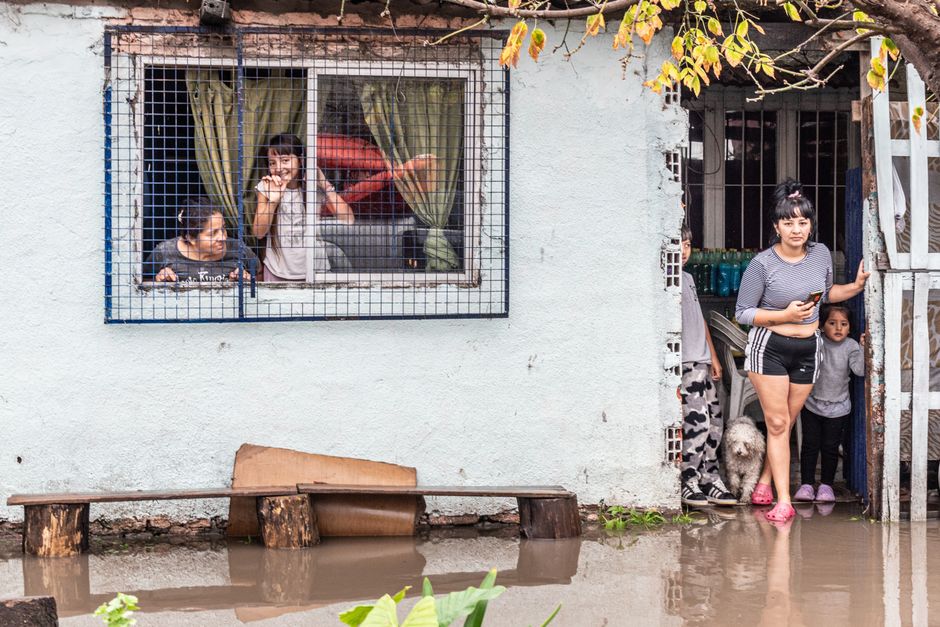
You check the weather app. Clear skies. You go to bed feeling safe. Then, at 3 AM, the water starts rising. Not from a burst pipe. Not from a leaky roof. From the river three blocks away, now in your living room.
This isn’t a scene from a disaster movie. This is the reality for thousands of American families every single year. And here’s the shocking part: most of them thought they were covered.
According to a 2024 report by the National Flood Insurance Program (NFIP), over 80% of homeowners in high-risk flood zones believe their standard homeowner’s insurance will cover flood damage. It won’t. Not a single drop.
This guide isn’t just about paperwork. It’s about protecting your biggest investment, your family’s safety, and your financial future. We’re going to walk you through the entire FEMA flood insurance process, step-by-step, and reveal the critical mistakes that could leave you drowning in debt.
The Night Everything Changed: A Story You Need to Hear
Meet Sarah and Tom. They bought their dream home in a quiet suburb outside of Houston. It wasn’t in a “high-risk” zone on the map, so they skipped flood insurance to save a few hundred dollars a year.
Then Hurricane Harvey hit. The water didn’t come from the coast. It came from overwhelmed drainage systems and unexpected flash flooding. Their basement filled in minutes. The damage? Over $75,000.
“We thought we were being smart with our money,” Sarah shared in a local news interview. “We had no idea we were one storm away from financial ruin.”
Sarah and Tom’s story isn’t unique. It’s a cautionary tale that plays out across the country, every year. And it’s entirely preventable.
Why Your Homeowner’s Insurance Is Lying to You (Sort Of)
Let’s clear up the biggest misconception right now. Standard homeowner’s insurance policies do not cover flood damage. Period.
This isn’t a loophole. It’s not a fine print trick. It’s a fundamental separation in the insurance industry. Homeowner’s insurance covers damage from things like fire, theft, and wind. Flood damage requires a separate, specific policy.
The Counter-Intuitive Truth: You don’t have to live near water to be at risk. According to FEMA, over 40% of flood insurance claims come from properties outside of high-risk flood zones. That’s right. If you have a basement, a low-lying yard, or even just old city infrastructure, you could be vulnerable.
“People assume that if they’re not on a coast or a riverbank, they’re safe. That’s the most dangerous assumption a homeowner can make. Flooding is the most common and costly natural disaster in the United States, and it can happen anywhere.” — Dr. Jane Simmons, Senior Policy Analyst at the National Water Safety Institute
The FEMA Flood Insurance Process: Your Step-by-Step Survival Guide
Getting flood insurance through FEMA’s National Flood Insurance Program (NFIP) is more straightforward than you think. But you need to know the steps, the timelines, and the potential pitfalls.
Step 1: Determine Your Risk (It’s Free and Takes 5 Minutes)
Before you spend a dime, find out where you stand. FEMA provides Flood Insurance Rate Maps (FIRMs) for every community in the U.S.
- Go to the FEMA Flood Map Service Center (msc.fema.gov).
- Enter your address.
- Review your property’s flood zone designation.
Key Zones to Know:
- Zone A, AE, V, VE: High-risk areas. Flood insurance is mandatory if you have a federally backed mortgage.
- Zone X (shaded): Moderate risk. Insurance is optional but highly recommended.
- Zone X (unshaded): Minimal risk. Insurance is optional, but remember Sarah and Tom.
Actionable Tip: Don’t just look at your property. Look at the surrounding area. Is there a new development upstream? Has the city’s drainage system been updated? These factors can change your risk overnight.
Step 2: Understand What’s Covered (And What’s Not)
NFIP policies have specific coverage limits. Knowing these upfront prevents heartbreak later.
| Coverage Type | What’s Included | Maximum Coverage (Residential) |
|---|---|---|
| Building Property | Foundation, electrical, plumbing, HVAC, appliances, permanently installed carpeting | $250,000 |
| Personal Property | Clothing, furniture, electronics, portable appliances, curtains | $100,000 |
| Additional Living Expenses | Not covered under standard NFIP | $0 |
| Basement Improvements | Limited coverage for structural items only (e.g., drywall, stairs) | Part of building coverage |
Actionable Tip: If you need coverage for temporary housing or basement finishes, look into excess flood insurance from private insurers. It’s more expensive, but it fills the gaps.
Step 3: Find an Insurance Agent (Not All Are Created Equal)
You can’t buy NFIP insurance directly from FEMA. You need to go through a licensed insurance agent or company that participates in the Write Your Own (WYO) program.
- Ask your current homeowner’s insurance agent if they offer NFIP policies.
- Use the FEMA NFIP insurer list to find participating companies.
- Get quotes from at least three different agents. Premiums can vary.
Actionable Tip: Don’t just ask about price. Ask about their claims process. How fast do they respond after a disaster? What’s their reputation for paying out? This is crucial when you’re dealing with a crisis.
Step 4: Apply and Wait (The 30-Day Rule)
Here’s where patience is critical. There is a 30-day waiting period from the date of purchase before your flood insurance policy goes into effect.
This means you can’t wait until a storm is forecast to buy coverage. By then, it’s too late.
Exceptions to the 30-Day Rule:
- If you purchase flood insurance in connection with making, increasing, extending, or renewing your mortgage.
- If your community’s flood map changes and you’re newly mapped into a high-risk zone (you have 13 months to purchase).
- If your property is affected by flooding on burned federal land (you’re eligible for immediate coverage).
Actionable Tip: Set a calendar reminder for 30 days after your purchase date. Confirm with your agent that your policy is active. Don’t assume.
Step 5: File a Claim Like a Pro
If the worst happens, here’s how to navigate the claims process:
- Notify your agent immediately. Don’t wait. The sooner you report, the faster the process starts.
- Document everything. Take photos and videos of all damage before you clean up. Keep receipts for any emergency repairs.
- Complete the Proof of Loss form. This is a sworn statement detailing your losses. Your adjuster will help, but be thorough.
- Work with the adjuster. Be present during the inspection. Point out everything. Don’t be shy.
- Appeal if necessary. If you disagree with the settlement, you have options. Don’t accept less than you deserve.
Actionable Tip: Create a home inventory now. Use your phone to video every room, every valuable item. Store it in the cloud. If disaster strikes, you’ll have proof of what you owned.
The Cost of Waiting: A Price No One Can Afford
Let’s talk numbers. The average NFIP claim payout in 2023 was over $52,000. The average annual premium? Around $700 to $1,200, depending on your zone and coverage.
That’s a 50-to-1 return on investment if you ever file a claim.
But here’s the real kicker. According to a 2024 study by the University of Pennsylvania’s Wharton Risk Center, for every $1 spent on flood mitigation (including insurance), society saves $6 in future disaster relief costs.
This isn’t just about you. It’s about your community, your tax dollars, and the collective resilience of our nation.
“Flood insurance isn’t a luxury. It’s a financial safety net that every homeowner should have, regardless of their zone. The cost of being uninsured is catastrophic, both personally and economically.” — Dr. Marcus Chen, Director of the Center for Disaster Resilience at Columbia University
Private Flood Insurance: Is It Worth the Extra Cost?
NFIP isn’t the only game in town anymore. Private flood insurance has emerged as a viable alternative, and in some cases, a better one.
| Feature | NFIP (FEMA) | Private Flood Insurance |
|---|---|---|
| Maximum Building Coverage | $250,000 | Up to $500,000+ |
| Maximum Contents Coverage | $100,000 | Up to $250,000+ |
| Additional Living Expenses | Not covered | Often included |
| Waiting Period | 30 days | Often 10-14 days |
| Basement Coverage | Limited | More comprehensive |
| Price | Standardized by zone | Can be lower or higher |
| Claims Process | Federal oversight | Company-specific |
Actionable Tip: Get quotes from both NFIP and private insurers. Compare not just price, but coverage limits, exclusions, and customer reviews. Your agent can help you navigate this.
The Myth of “It Won’t Happen to Me”
We’ve all done it. We hear about a flood on the news and think, “That’s terrible, but it’s not going to happen here.”
Here’s the reality. 90% of all natural disasters in the U.S. involve flooding. And with climate change intensifying weather patterns, the risk is only growing.
In 2023 alone, the U.S. experienced 28 separate billion-dollar weather and climate disasters, many of which involved significant flooding. That’s a record.
The question isn’t “Will it flood?” It’s “When will it flood, and will I be ready?”
Your 5-Point Flood Insurance Action Plan
Don’t just read this and forget it. Take action today.
- Check your flood zone. Go to msc.fema.gov right now. It takes 5 minutes.
- Talk to your agent. Ask about NFIP and private flood insurance options.
- Get multiple quotes. Don’t settle for the first offer.
- Buy before you need it. Remember the 30-day waiting period.
- Document your belongings. Create a home inventory. Store it in the cloud.
Do these five things this week, and you’ll be ahead of 80% of homeowners in America.
FAQ
How do I get flood insurance through FEMA?
You can get flood insurance through FEMA’s National Flood Insurance Program (NFIP) by contacting a licensed insurance agent or company that participates in the Write Your Own (WYO) program. You cannot purchase it directly from FEMA. The process involves determining your flood risk, choosing your coverage, applying through an agent, and waiting 30 days for the policy to take effect.
Is flood insurance required?
Flood insurance is mandatory if you have a federally backed mortgage and your property is located in a high-risk flood zone (Zone A or V). However, it is strongly recommended for all homeowners, as over 40% of flood claims come from moderate- to low-risk areas.
How much does FEMA flood insurance cost?
The average annual premium for NFIP flood insurance ranges from $700 to $1,200, depending on your flood zone, the coverage amount, and the age and construction of your home. Properties in high-risk zones typically pay more.
What does FEMA flood insurance cover?
NFIP policies cover up to $250,000 for building property (foundation, electrical, plumbing, HVAC, appliances) and up to $100,000 for personal property (clothing, furniture, electronics). It does not cover additional living expenses or basement improvements beyond structural items.
Is there a waiting period for flood insurance?
Yes, there is typically a 30-day waiting period from the date of purchase before your flood insurance policy goes into effect. Exceptions include purchasing in connection with a mortgage or if your community’s flood map changes.
Can I get flood insurance if I’m not in a flood zone?
Absolutely. You can purchase flood insurance through the NFIP regardless of your flood zone. In fact, over 40% of flood insurance claims come from properties outside of high-risk flood zones.
What’s the difference between NFIP and private flood insurance?
NFIP policies are federally backed and have standardized coverage limits ($250,000 for building, $100,000 for contents). Private flood insurance often offers higher coverage limits, additional living expenses, shorter waiting periods, and more comprehensive basement coverage, but pricing and availability vary by company.
How do I file a flood insurance claim?
To file a claim, notify your insurance agent immediately, document all damage with photos and videos, complete the Proof of Loss form, work with the claims adjuster during the inspection, and appeal if you disagree with the settlement amount.
If this guide helped you understand the FEMA flood insurance process, share it with a friend, family member, or neighbor who needs to see it. You could save them from a financial disaster. Tag someone who’s been putting off getting flood insurance—they’ll thank you later.