Gap Insurance for Leased Cars: The $7,000 Mistake Most Drivers Don’t See Coming
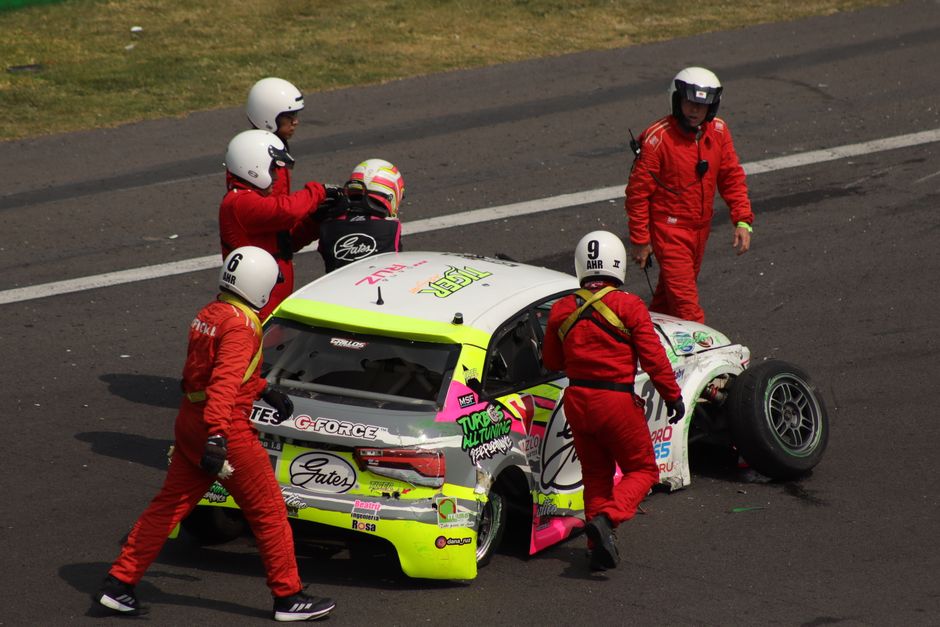
You sign the lease, drive off the lot in your shiny new SUV, and feel like a million bucks. Three months later, a distracted driver rear-ends you at a red light. Your car is totaled. You call your insurer, expecting them to cover the remaining lease balance. Instead, they hand you a check for $22,000—but you still owe $29,000 on the lease. That $7,000 gap? It’s coming out of your pocket.
This isn’t a hypothetical nightmare. It happens to over 1 in 4 leased vehicle owners who experience a total loss within the first two years of their lease, according to a 2024 National Auto Finance Association report. And most have no idea they’re exposed—until it’s too late.
Here’s the brutal truth: Your standard auto insurance doesn’t protect you from the financial black hole of car depreciation. But there’s a simple, affordable fix most people overlook: gap insurance for leased cars.
In this guide, you’ll learn exactly what gap insurance is, why it’s non-negotiable for leased vehicles, and how to get it without overpaying. Plus, we’ll bust the myth that “you don’t need it if you have good credit”—and reveal the one scenario where skipping it could cost you your credit score.
What Is Gap Insurance—and Why Leased Drivers Can’t Afford to Skip It
Gap insurance—short for Guaranteed Asset Protection—covers the difference between what your car is worth at the time of a total loss and what you still owe on your lease (or loan). New cars lose 20–30% of their value in the first year alone. By year two, that number jumps to 40–50%. If your car is totaled early in the lease, your insurer pays only the current market value—not your remaining balance.
Let’s say you lease a $35,000 sedan with $0 down. After 12 months, you owe $28,000. But the car’s actual cash value? Just $23,000. That’s a $5,000 gap—money you’d owe even though the car is gone.
Gap insurance closes that gap. For leased cars, it’s not just smart—it’s often required by the leasing company. But even when it’s optional, skipping it is like playing financial Russian roulette.
“Leased vehicles are depreciation time bombs,” says Dr. Marcus Ellery, automotive finance researcher at the Institute for Consumer Mobility. “Without gap coverage, drivers are personally liable for thousands in phantom debt—money owed on an asset they no longer possess.”
The Shocking Truth: Most Leased Drivers Think They’re Covered (They’re Not)
A 2023 J.D. Power survey found that 68% of leased vehicle owners believed their standard auto insurance would cover the full lease balance after a total loss. They were wrong.
Here’s why: Auto insurance pays actual cash value (ACV)—what your car was worth the moment before the accident. Lease contracts, however, are based on remaining payments plus residual value, which often exceeds ACV, especially in the first 24 months.
This mismatch creates a dangerous illusion of safety. You pay your premiums on time, assume you’re protected, and then get blindsided by a bill you never expected.
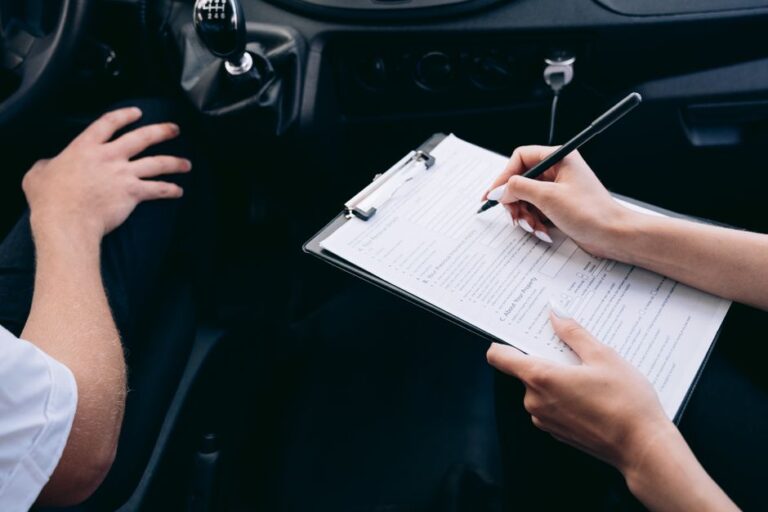
Actionable Tip: Pull out your lease agreement right now. Look for the “early termination” or “total loss” clause. If it says you’re responsible for the difference between insurance payout and lease balance—you need gap insurance. Period.
Real Story: How One Driver Lost $6,200 Because He Skipped Gap Coverage
Meet David, a 34-year-old teacher from Austin, Texas. In 2023, he leased a Hyundai Tucson for $320/month. His credit union offered gap insurance for $18/month, but he declined—“I’ve never had an accident,” he told himself.
Six months later, a hailstorm cracked his windshield and dented the roof. Repair costs hit $8,500. His insurer declared it a total loss. They paid $24,800—the car’s current market value. But David still owed $31,000 on the lease.
Result? A $6,200 bill from the leasing company. He had to take out a personal loan at 9% APR to cover it. “I thought insurance meant I was safe,” David says. “I had no idea I’d be paying for a car I couldn’t even drive.”
David’s story isn’t rare. It’s the norm for unprepared leased drivers.
Gap Insurance vs. Other Protections: What Actually Works?
Not all vehicle protection products are created equal. Here’s how gap insurance stacks up against common alternatives:
| Protection Type | Covers Depreciation Gap? | Required for Lease? | Typical Cost | Best For |
|---|---|---|---|---|
| Gap Insurance | ✅ Yes | Often required | $20–$60/month or one-time $300–$700 | All leased drivers, especially new cars |
| New Car Replacement | ❌ No (replaces with new car, but doesn’t cover lease balance) | Rarely | $30–$80/month | Buyers who want a brand-new replacement |
| Depreciation Waiver | ✅ Yes (built into some leases) | Sometimes included | $0 (if included) | Luxury leases with premium packages |
| Extended Warranty | ❌ No (covers repairs, not total loss) | No | $40–$100/month | High-mileage drivers worried about breakdowns |
Key takeaway: Only gap insurance (or a depreciation waiver) directly addresses the financial risk of owing more than your car is worth. Everything else is a distraction.
The Counterintuitive Truth: Gap Insurance Is Cheaper Than You Think—and Skipping It Costs More
Most people assume gap insurance is expensive. It’s not. In fact, the average cost is just $25/month when added to your auto policy, or a one-time fee of $300–$700 if purchased through your dealer or lender.
Compare that to the average gap after a total loss: $5,200, per a 2024 Edmunds analysis. That’s a 200:1 risk-to-cost ratio. For less than the price of a streaming subscription, you’re protecting yourself from a five-figure financial hit.
And here’s the kicker: Your credit score can take a hit if you can’t pay the gap. Leasing companies report unpaid balances to credit bureaus. One missed payment could drop your score by 50+ points—making future loans, apartments, or even jobs harder to get.
“Gap insurance isn’t an expense—it’s a financial airbag,” says Lena Cho, certified financial planner and auto leasing specialist. “You hope you never need it, but when you do, it saves your wallet and your credit.”
How to Get Gap Insurance Without Getting Ripped Off
Not all gap insurance is equal. Follow these steps to get the best deal:
- Ask your auto insurer first. Adding gap coverage to your existing policy is usually the cheapest option—often 50–70% less than dealer pricing.
- Compare dealer vs. third-party quotes. Dealers sometimes mark up gap insurance by 200%. Get at least two quotes.
- Check if it’s already included. Some luxury brands (like BMW or Lexus) bundle gap protection in premium lease packages.
- Read the fine print. Ensure it covers your full lease term and doesn’t exclude certain causes (like natural disasters).
- Cancel it when no longer needed. Once your car’s value exceeds your lease balance (usually after 2–3 years), you can drop the coverage.
Pro tip: If you’re leasing through a credit union, ask about their gap program. Many offer it for as little as $150 one-time.
FAQ: Your Top Questions About Gap Insurance for Leased Cars
Is gap insurance required for leased cars?
While not legally required by state law, most leasing companies mandate gap insurance as part of the lease agreement. Always check your contract—it’s often buried in the “insurance requirements” section.
How much does gap insurance cost for a leased car?
Costs vary, but expect to pay $20–$60 per month if added to your auto policy, or a one-time fee of $300–$700 through your dealer or lender. Credit unions often offer the lowest rates.
Can I get gap insurance after I’ve already leased the car?
Yes! You can add gap coverage at any time during your lease—though it’s cheapest and most effective when purchased at signing. Contact your insurer, dealer, or lender to enroll.
Does gap insurance cover my deductible?
Standard gap insurance does not cover your auto insurance deductible. However, some enhanced policies (called “gap plus”) include deductible reimbursement—ask your provider.
What happens if I don’t have gap insurance and my leased car is totaled?
You’re personally responsible for the difference between your insurance payout and your remaining lease balance. This can range from $2,000 to $10,000+, depending on your car and lease terms.
Is gap insurance worth it if I have a high down payment?
Even with a large down payment, rapid depreciation can still create a gap—especially in the first 18 months. Unless your down payment was 30%+ of the car’s value, gap insurance is still recommended.
Final Thought: Don’t Let a Totaled Car Total Your Finances
Leasing a car should be exciting—not a financial trap. Gap insurance is the simplest, most affordable way to protect yourself from the hidden cost of depreciation. For less than the price of a coffee a day, you can sleep soundly knowing that if the worst happens, you won’t be stuck paying for a car you can’t drive.
If this post saved you from a costly mistake, share it with someone who’s leasing a car right now. Tag a friend, post it in your group chat, or send it to your partner. Because the best time to get gap insurance is before you need it—not after.