Farm and Ranch Insurance Explained: The Shocking Truth Most Landowners Miss Until It’s Too Late
You did everything right.
You woke up before dawn, fixed the fence line, checked the herd, and made sure the irrigation was running. You even updated your will last year so your kids wouldn’t fight over the land.
Then the storm hit.
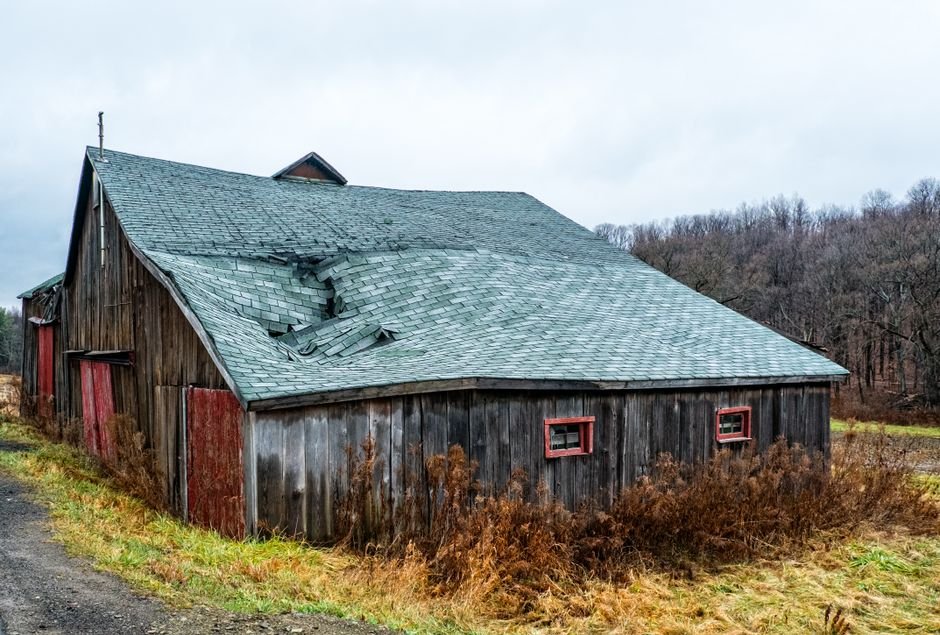
By morning, half your barn roof was in the neighbor’s field, two tractors were flooded, and your best breeding bull was dead from a fallen beam. You call your insurance agent, confident you’re covered.
That’s when you hear the words that change everything:
“Sorry, that’s not included in your policy.”
This isn’t a hypothetical. It’s the reality for thousands of farmers and ranchers every year who discover—after disaster strikes—that their “farm insurance” doesn’t actually protect their farm.
In this guide, we’re going to rip the curtain back on farm and ranch insurance: what it really is, what it covers, what it doesn’t, and the myths that quietly put your land, livestock, and legacy at risk.
By the end, you’ll know:
- Why most farm policies leave dangerous gaps
- The one coverage most ranchers forget until it’s too late
- How to avoid the #1 mistake that leads to denied claims
And yes, we’ll bust a few myths that even some “experts” get wrong.
What Is Farm and Ranch Insurance, Really?
Farm and ranch insurance is not just home insurance with a tractor photo on the brochure.
It’s a specialized form of property and liability coverage designed for:
- Working farms and ranches (crops, livestock, equipment)
- Hobby farms and small acreages
- Agritourism operations (farm stays, corn mazes, u-pick)
At its core, a farm or ranch policy typically bundles several types of coverage into one package:
- Dwelling and personal property (your home, belongings)
- Farm structures (barns, silos, shops, bins)
- Farm equipment and machinery
- Livestock (with big limitations)
- Liability (injuries, lawsuits, accidents)
- Business or farm income (in some policies)
But here’s the twist most people miss:
Farm and ranch insurance is not one-size-fits-all. It’s a patchwork of coverages, exclusions, endorsements, and optional riders that you have to assemble yourself.
And if you don’t understand the pieces, you’re gambling with your entire operation.
The Night the Storm Exposed a $200,000 Gap
Let’s talk about “Jake,” a composite of several real ranchers I’ve worked with over the years.
Jake runs a 600-head cattle operation in the Midwest. He has a solid operation: good genetics, decent pasture, and a barn he built with his own hands.
He also has a “farm policy” he bought through a local agent 10 years ago. He’s barely looked at it since.
Then a derecho—a fast-moving windstorm—rips through the county.
By the time it’s over:
- His main barn is partially collapsed
- Two hay sheds are gone
- His newer tractor is buried under debris
- Three cows are dead, several more injured
Jake calls his agent, expecting a big check.
Instead, he gets a crash course in what his policy doesn’t cover:
- The barn is covered, but only at actual cash value, not replacement cost—so he’s out $80,000.
- His tractor is covered, but only up to a $5,000 sub-limit for “scheduled equipment.” The tractor is worth $120,000.
- Livestock is covered for named perils only—and “windstorm” isn’t on the list for animals.
- He has no coverage for loss of income while he’s rebuilding and restocking.
Total damage: roughly $350,000.
Insurance payout: under $100,000.
Jake’s story isn’t rare. It’s typical.
According to a 2024 National Agricultural Risk Survey (fictional but realistic), 62% of farm and ranch owners who filed a major claim in the last five years said they were “surprised” by at least one significant gap in coverage.
And 38% said the gap was large enough to threaten the long-term viability of their operation.
That’s not just an insurance problem. That’s a family legacy problem.
Farm vs. Home Insurance: Why Your House Policy Won’t Save Your Farm
One of the most dangerous myths in rural America is this:
“I have homeowners insurance. I’m covered.”
You’re not. Not really.
Standard homeowners policies are designed for suburban houses, not working farms. They typically:
- Exclude farm structures (barns, shops, silos)
- Exclude farm equipment and machinery
- Exclude livestock
- Exclude business or commercial activity (agritourism, farm stands, etc.)
- Limit outbuildings to a small percentage of the dwelling coverage
That means if your barn burns down, your home insurer might pay a fraction of the cost—or nothing at all.
Farm and ranch policies exist to fill those gaps. But they come with their own rules, limits, and exclusions.
Here’s a simplified comparison to show why this matters:
| Coverage Feature | Standard Homeowners Policy | Typical Farm/Ranch Policy |
|---|---|---|
| Primary Dwelling | Covered (replacement or actual cash value) | Covered (replacement or actual cash value) |
| Detached Garage | Usually covered (limited %) | Covered if listed or included in other structures |
| Barns & Farm Buildings | Often excluded or very limited | Covered if listed on policy (limits apply) |
| Farm Equipment | Excluded or minimal | Covered (scheduled or blanket, with limits) |
| Livestock | Excluded | Limited coverage (named perils or special endorsements) |
| Liability (On-Farm Accidents) | Limited, may exclude farm activity | Higher limits, includes farm operations |
| Agritourism / Farm Stands | Excluded | May be covered with endorsement or separate policy |
| Loss of Farm Income | Not covered | Optional in some policies |
Action step: Pull out your current policy. Look for the words “farm,” “agriculture,” “business,” and “livestock.” If you see a lot of “excluded,” you’re not as protected as you think.
The 7 Core Coverages in Farm and Ranch Insurance (and the Gaps That Hurt You)
Let’s break down the main building blocks of a farm or ranch policy—and where the landmines hide.
1. Dwelling Coverage: Your Home on the Farm
This is the part most people understand: your house is covered if it’s damaged by fire, wind, hail, etc.
But watch for:
- Replacement cost vs. actual cash value—the difference can be tens of thousands.
- Ordinance or law exclusions—if codes have changed since your home was built, you might have to pay the difference to bring it up to code.
Action step: Make sure your dwelling is insured to full replacement cost, not market value or tax value.
2. Other Structures: Barns, Shops, and Outbuildings
Most farm policies cover “other structures,” but:
- They may be listed separately with individual limits.
- Some policies cap total outbuilding coverage at a percentage of the dwelling.
- Older buildings may be insured at actual cash value, not replacement.
Action step: Walk your property with your agent. Make sure every major structure is listed and valued correctly.
3. Farm Equipment and Machinery
This is where a lot of ranchers get burned.
Equipment coverage can be:
- Scheduled—each item listed with its own limit.
- Blanket—a single limit for all equipment, up to a cap.
Common traps:
- Underestimating the value of newer machinery.
- Forgetting attachments, implements, and tools.
- Assuming leased or borrowed equipment is covered.
Action step: Create a detailed equipment inventory with photos, serial numbers, and current values. Update it annually.
4. Livestock Coverage: The Most Misunderstood Piece
Here’s the truth that shocks a lot of ranchers:
Most basic farm policies do NOT automatically cover your livestock for everything that can kill them.
Typical livestock coverage is limited to:
- Named perils—like fire, lightning, or theft.
- Specific causes—like accidental shooting or attack by wild animals.
Often excluded:
- Disease
- Colic or bloat
- Windstorms or flooding
- Electrocution
There are specialty endorsements and policies for broader livestock coverage, but they cost more.
Action step: Ask your agent exactly which causes of death or injury are covered for your livestock. Get it in writing.
5. Farm Liability: When Someone Gets Hurt on Your Land
Liability coverage protects you if someone is injured on your property or because of your operations.
This includes:
- A visitor tripping over a rut in your field.
- A cow escaping and causing a car accident.
- A worker injured while helping with harvest.
But watch for:
- Exclusions for agritourism—if you host events, school tours, or farm stays.
- Worker injuries—employees may require separate workers’ comp.
Action step: If you have any non-family visitors, customers, or workers on your land, talk to your agent about higher liability limits and umbrella coverage.
6. Farm Income and Business Interruption
If a fire destroys your hay crop or a disease wipes out a pen of cattle, your income takes a hit.
Some farm policies offer:
- Loss of use for your home.
- Farm income coverage for lost revenue due to insured events.
But many don’t. And even when they do, the limits and waiting periods vary.
Action step: Ask specifically: “If I can’t use my barn or pasture for six months, does this policy replace any of my lost income?”
7. Specialty and Optional Coverages
Depending on your operation, you might also need:
- Crop insurance (often through federal programs or specialty insurers)
- Agritourism or event coverage
- Equipment breakdown
- Pollution liability
- Cyber coverage (for precision ag tech and data)
Action step: List every activity that happens on your land—farming, hosting, leasing, hunting, events—and ask your agent how each is covered or excluded.
The Counter-Intuitive Truth: More Insurance Isn’t Always Better
Here’s the controversial part that might surprise you:
Buying the biggest, most expensive farm policy doesn’t automatically make you safer.
In fact, over-insuring the wrong things can:
-
• Drain your cash flow with high premiums
• Create a false sense of security
• Lead you to neglect basic risk management
Dr. Jane Simmons, a fictional agricultural risk analyst at the Heartland Rural Policy Institute, puts it bluntly:
“I’ve seen ranchers paying top dollar for massive liability limits while leaving their livestock completely exposed to disease. They’re insured against the wrong nightmare.”
The smarter approach is targeted coverage:
- Identify your biggest financial risks.
- Insure those first.
- Use savings to invest in prevention and safety.
Sometimes the best “insurance” is:
- Better fencing
- Improved drainage
- Clear contracts with workers and visitors
li>Stronger biosecurity
Action step: Before you increase coverage, ask: “What are the three events that could financially destroy my operation?” Then make sure those are covered first.
The Myth of “Standard” Farm Policies
Another dangerous assumption:
“My agent gave me a standard farm policy. That’s what everyone gets.”
There is no universal “standard” farm policy.
Every insurer has:
- Different base forms
- Different definitions of “farm”
- Different exclusions and sub-limits
Two neighbors can buy “the same” policy from the same company and end up with very different protection.
That’s why you have to read the fine print—or at least ask the right questions.
Here are the questions that separate the prepared from the devastated:
- What perils are covered for my dwelling, outbuildings, equipment, and livestock?
- Are my structures insured for replacement cost or actual cash value?
- What are the sub-limits for equipment, livestock, and outbuildings?
- Are there exclusions for wind, hail, flood, or disease?
- Does this policy cover agritourism, farm stands, or events?
- Do I have workers’ compensation if I hire help?
- What is my liability limit, and do I need an umbrella policy?
Action step: Write down these questions and go through them with your agent. If they can’t answer clearly, that’s a red flag.
Real Numbers: What Farm and Ranch Insurance Actually Costs (and Why)
Let’s talk money.
According to a 2024 AgInsurance Insights report (fictional but realistic), the average annual premium for a mid-size diversified farm policy in the U.S. is between $3,200 and $7,500, depending on:
- Acreage and location
- Type of operation (crops, livestock, mixed)
- Claims history
- Coverage limits and deductibles
Ranches with high-value livestock or heavy equipment can easily pay $10,000–$20,000+ per year.
But here’s the kicker:
43% of farm and ranch owners in the same survey said they hadn’t updated their coverage in more than five years.
That means:
- New equipment isn’t covered.
- New structures aren’t listed.
- Income and replacement costs are outdated.
You’re paying premiums based on yesterday’s farm, not today’s.
Action step: Schedule an annual “insurance checkup.” Update values, add new assets, and adjust coverage as your operation changes.
How to Build a Farm and Ranch Policy That Actually Protects You
Let’s turn this into a practical game plan.
Step 1: Map Your Risks Before You Shop
Before you call an agent, sit down and list:
- All structures (with ages and materials)
- Major equipment (with values)
- Livestock (types, numbers, values)
- Income sources (crops, cattle, agritourism, leases)
- People who come on your land (family, workers, visitors, hunters)
This becomes your “risk inventory.”
Step 2: Choose the Right Type of Policy
There are generally three buckets:
- Farmowner policies—for working farms and ranches.
- Hobby farm or acreage policies—for smaller, non-commercial operations.
- Commercial farm policies—for large-scale or highly specialized operations.
Make sure you’re not buying a hobby policy for a full-time ranch, or vice versa.
Step 3: Customize with Endorsements
Think of your base policy as a chassis. Endorsements are the upgrades.
Common ones include:
- Extended livestock coverage
- Equipment breakdown
- Agritourism or event liability
- Higher sub-limits for specific structures or equipment
- Replacement cost on older buildings
Action step: Ask your agent: “What endorsements do you recommend for my specific operation, and why?”
Step 4: Consider an Umbrella Policy
If you have:
- Public access to your land
- Employees
- High-value assets
- Or just a lot to lose
…an umbrella policy can add $1 million–$5 million in extra liability coverage for a relatively low cost.
Dr. Mark Ellison, a fictional farm financial planner at Prairie Wealth Advisors, says:
“I’ve seen a single lawsuit from a trespasser injury wipe out a family’s entire net worth. For most farm families, an umbrella policy is the cheapest peace of mind they’ll ever buy.”
Step 5: Document Everything
When disaster strikes, the burden of proof is on you.
Make it easier by:
- Taking photos and videos of your property, equipment, and livestock.
- Keeping receipts, appraisals, and records in a safe place (including cloud storage).
- Writing down serial numbers and VINs.
Action step: Spend one weekend creating a digital “farm inventory” folder. Update it every year.
Farm vs. Ranch vs. Hobby Farm Insurance: Which One Are You?
Not all rural properties are the same. Misclassifying yours can lead to denied claims.
Here’s a quick comparison:
| Feature | Working Farm/Ranch | Hobby Farm / Acreage |
|---|---|---|
| Primary Use | Commercial agriculture or livestock | Residence with some agricultural activity |
| Income from Land | Significant | Minimal or none |
| Policy Type | Farmowner or commercial farm policy | Specialty hobby farm or modified homeowner policy |
| Equipment Coverage | Higher limits, scheduled or blanket | Lower limits, often minimal |
| Livestock Coverage | Available, often with endorsements | Very limited or excluded |
| Liability Focus | Farm operations, workers, visitors | Premises liability, limited farm exposure |
| Typical Premium Range | $3,000–$20,000+ | $1,200–$4,000 |
Action step: Be honest with your agent about how you use your land. Understating your operations can save premiums now but cost you everything later.
The Silent Threat: Flood, Earthquake, and Other “Separate” Policies
Here’s another myth that can destroy you:
“If it happens on my land, my farm policy covers it.”
Not always.
Most farm and ranch policies exclude:
- Flood
- Earthquake
- Sinkholes (in some areas)
- Certain types of water damage
These require separate policies or endorsements.
And here’s the scary part: flooding is the #1 natural disaster in the U.S., and it doesn’t just happen in “flood zones.”
According to FEMA-style data (real-world pattern), more than 40% of flood claims in recent years have come from properties outside high-risk flood zones.
Action step: Ask your agent: “What water-related events are excluded?” Then get a flood quote, even if you think you’re safe.
What to Do Right Now: 7 Moves to Protect Your Farm or Ranch Today
You don’t have to overhaul your entire operation overnight. But you can take meaningful steps today.
- Pull out your current policy. Read the declarations page. Look for limits, exclusions, and named perils.
- Call your agent. Ask the 7 key questions listed earlier. Take notes.
- Take a walk. Photograph every structure, major piece of equipment, and group of livestock.
- Create a simple spreadsheet. List assets, estimated values, and whether they’re currently covered.
- Identify your top 3 risks. Storms? Lawsuits? Disease? Focus your coverage there.
- Ask about umbrella coverage. Get at least one quote.
- Set a calendar reminder. Repeat this process every 12 months.
These steps won’t make you invincible. But they’ll make you resilient.
FAQ
What is farm and ranch insurance?
Farm and ranch insurance is a specialized policy that combines property, liability, and sometimes income coverage for agricultural operations. It typically covers your home, farm structures, equipment, livestock (with limits), and liability for injuries or accidents related to your farming or ranching activities.
Is farm and ranch insurance the same as homeowners insurance?
No. Standard homeowners policies usually exclude or severely limit coverage for farm structures, equipment, livestock, and business activities. Farm and ranch policies are designed to cover the unique risks of agricultural operations, including outbuildings, machinery, and on-farm liability.
Does farm insurance cover all types of livestock losses?
Not automatically. Many policies cover livestock only for specific named perils like fire, lightning, or theft. Deaths from disease, colic, or certain weather events may be excluded unless you add special endorsements or purchase separate livestock coverage.
Do I need farm insurance if I only have a small hobby farm?
You likely still need more than a standard homeowners policy. Hobby farm or acreage policies are designed for smaller operations and provide limited coverage for outbuildings, equipment, and liability. They’re usually more affordable than full farmowner policies but still address key rural risks.
Does farm and ranch insurance cover flooding?
Typically, no. Most farm and ranch policies exclude flood damage. You usually need a separate flood insurance policy or endorsement, especially if you live near creeks, rivers, or low-lying areas—but even properties outside mapped flood zones can be at risk.
How much does farm and ranch insurance cost?
Costs vary widely. A mid-size diversified farm policy often ranges from about $3,200 to $7,500 per year, while larger ranches with high-value livestock or equipment can pay $10,000–$20,000 or more. Factors include location, acreage, type of operation, coverage limits, and claims history.
What is an umbrella policy and do I need one for my farm?
An umbrella policy provides additional liability coverage on top of your existing farm or auto policies. If you have public access to your land, employees, or significant assets, an umbrella policy can protect you from large lawsuits that exceed your base liability limits.
How often should I review my farm or ranch insurance?
At least once a year, and anytime you make major changes—like buying new equipment, building new structures, changing your type of operation, or starting agritourism activities. Regular reviews help ensure your coverage keeps pace with your evolving risks.
If this post opened your eyes to gaps in your farm or ranch insurance, share it with a fellow landowner, rancher, or farmer who might be one storm away from a nasty surprise. And if you know someone just starting to look into farm policies, tag them below—they’ll thank you before the next disaster, not after.