Commercial Property Insurance Explained Simply: The One Policy That Could Save Your Business From Ruin
Imagine waking up to flames engulfing your bakery—the place you poured your life savings into. Or a pipe bursts overnight, flooding your office and destroying $200,000 in equipment. These aren’t hypothetical nightmares. They’re real scenarios that happen every week—and without the right protection, they can wipe out years of hard work in hours.
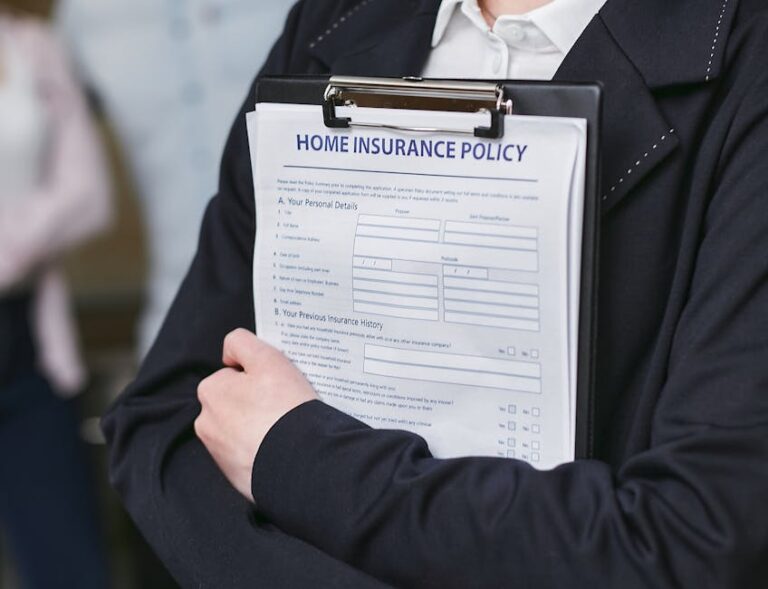
Commercial property insurance isn’t just paperwork—it’s your financial lifeline. Yet most small business owners either misunderstand it, skip it entirely, or pay for coverage they don’t need. In this guide, we’ll cut through the jargon and give you a clear, actionable roadmap to protect what you’ve built—without overpaying or underinsuring.
Why Most Business Owners Get Commercial Property Insurance Wrong (And Pay Dearly)
Here’s a shocking truth: 68% of small businesses are underinsured, according to a 2024 National Association of Insurance Commissioners (NAIC) report. That means if disaster strikes, they’ll only recover a fraction of their losses—or nothing at all.
The biggest mistake? Assuming your homeowner’s policy covers your home-based business. It doesn’t. Another common error is confusing “replacement cost” with “actual cash value.” The former pays to rebuild or replace your property at today’s prices; the latter deducts depreciation—leaving you thousands short.
“Most business owners think they’re covered until it’s too late,” says Dr. Marcus Lin, a risk management consultant with 20 years in commercial underwriting. “They confuse ‘having insurance’ with ‘having the right insurance.’ That gap is where financial ruin lives.”
Actionable Tip: Audit your current policy today. Ask: Does it cover full replacement cost? Does it include business interruption? If you’re unsure, call your agent and request a coverage review.
What Exactly Does Commercial Property Insurance Cover?
At its core, commercial property insurance protects your physical assets—buildings, equipment, inventory, furniture, and even outdoor signage—from “perils” like fire, theft, vandalism, windstorms, and certain water damage.
But here’s what surprises many: it often excludes floods, earthquakes, and cyberattacks. You’ll need separate policies for those.
Let’s break down standard coverage:
– **Building Coverage**: Repairs or rebuilds your owned or leased space.
– **Business Personal Property (BPP)**: Covers desks, computers, stock, and tools.
– **Business Interruption Insurance**: Replaces lost income if you can’t operate due to a covered loss.
– **Equipment Breakdown**: Covers mechanical or electrical failures (often an add-on).
The Hidden Gem: Business Interruption Coverage
This is the unsung hero. Say a fire forces you to close for three months. While your building is being rebuilt, business interruption pays your rent, payroll, and lost profits. Without it, you might survive the fire—but not the downtime.
Real-World Case: In 2023, a boutique clothing store in Austin, Texas, suffered $150,000 in smoke damage from a neighboring restaurant fire. Thanks to robust business interruption coverage, the owner received $85,000 in lost income and reopened in six weeks. Her competitor, who skipped this coverage, shut down permanently.
Actionable Tip: Always bundle business interruption with your property policy. It’s usually 10–15% extra—but worth every penny.
Myth vs. Reality: 3 Dangerous Misconceptions
Myth #1: “My Landlord’s Insurance Covers My Stuff”
Reality: Your landlord’s policy only protects the building structure—not your inventory, equipment, or improvements you’ve made. You need your own policy.
Myth #2: “I Rent, So I Don’t Need Property Insurance”
Reality: Even renters must cover their leasehold improvements, inventory, and liability. A burst pipe could destroy $50,000 in custom shelving you installed.
Myth #3: “Natural Disasters Are Rare—I’ll Take My Chances”
Reality: FEMA reports that 40% of businesses never reopen after a major disaster. And climate change is making extreme weather more frequent—even in “safe” zones.
“Complacency is the silent killer of small businesses,” warns Elena Rodriguez, a former FEMA recovery coordinator. “People think disasters happen to others—until they happen to them.”
Actionable Tip: Run a “disaster scenario” test: If your main asset vanished tomorrow, could you recover in 90 days? If not, your coverage is likely insufficient.
How to Choose the Right Policy: A Side-by-Side Comparison
Not all policies are created equal. Below is a detailed comparison of three common types of commercial property insurance:
| Feature | Basic Named Perils | Broad Form | Special Form (All-Risk) |
|---|---|---|---|
| Coverage Scope | Only listed perils (e.g., fire, lightning, wind) | Adds falling objects, water damage, collapse | Covers ALL risks unless specifically excluded |
| Cost (Annual) | $1,200–$2,500 | $2,000–$4,000 | $3,500–$7,000+ |
| Best For | Low-risk offices, minimal inventory | Retail stores, restaurants | High-value assets, tech firms, manufacturers |
| Exclusions | Floods, earthquakes, cyber, wear & tear | Same as basic + some water damage | Only listed exclusions (e.g., war, nuclear) |
| Business Interruption? | Optional add-on | Often included | Standard inclusion |
Key Takeaway: If your business relies on expensive equipment or operates in a high-risk area, Special Form is almost always worth the premium. The peace of mind alone justifies the cost.
5 Pro Tips to Lower Your Premium Without Sacrificing Coverage
You don’t have to overpay. Smart strategies can slash your costs by 20–40%:
1. **Bundle Policies**: Combine property, liability, and auto into a Business Owner’s Policy (BOP). Insurers reward bundling with discounts.
2. **Install Safety Systems**: Sprinklers, alarms, and security cameras can reduce premiums by up to 15%.
3. **Raise Your Deductible**: Going from $1,000 to $2,500 could save $300+/year—just ensure you can cover the higher out-of-pocket cost.
4. **Document Everything**: Keep photos, receipts, and inventory lists in the cloud. Faster claims = lower risk for insurers = better rates.
5. **Review Annually**: Your needs change. A policy from 2020 may not reflect your 2024 reality.
Actionable Tip: Schedule a 15-minute call with two independent agents this week. Compare quotes—you’ll be stunned by the price differences.
The Emotional Cost of Being Uninsured (And Why It’s Not Just About Money)
Beyond dollars, losing your business property can trigger anxiety, depression, and family strain. A 2023 Journal of Small Business Psychology study found that uninsured business owners were 3x more likely to experience severe stress after a loss than those with adequate coverage.
One café owner in Portland shared: “After the flood, I couldn’t sleep. I kept thinking, ‘What if I lose everything?’ Getting insurance didn’t just protect my espresso machine—it gave me back my peace of mind.”
Insurance isn’t just a contract. It’s emotional armor.
FAQ: Your Top Questions Answered
What is commercial property insurance?
It’s a policy that covers your business’s physical assets—like buildings, equipment, and inventory—from damage or loss due to events like fire, theft, or storms.
How much does commercial property insurance cost?
On average, small businesses pay $1,200–$7,000 per year, depending on location, industry, and coverage level. Bundling with other policies often lowers the cost.
Does commercial property insurance cover employee injuries?
No. Employee injuries fall under workers’ compensation insurance, which is a separate policy required by law in most states.
Can I get commercial property insurance if I work from home?
Yes—but your homeowner’s policy won’t cover business assets. You’ll need a separate commercial policy or a home-based business rider.
What’s the difference between replacement cost and actual cash value?
Replacement cost pays to rebuild or replace your property at current market prices. Actual cash value deducts depreciation, so you’ll receive less—often significantly less.
Is flood damage included in standard commercial property insurance?
No. Floods require a separate policy, typically through the National Flood Insurance Program (NFIP) or a private insurer.
Final Thought: Don’t Wait for Disaster to Strike
Commercial property insurance isn’t about fear—it’s about freedom. Freedom to innovate, grow, and sleep soundly knowing that if the worst happens, you’ll bounce back.
You’ve worked too hard to lose it all to a single event. Take 10 minutes today to review your coverage—or start a new policy. Your future self will thank you.
If this guide helped you understand commercial property insurance simply, share it with a fellow business owner who needs to see it. Tag someone who’s been putting off getting insured—it might just save their dream.