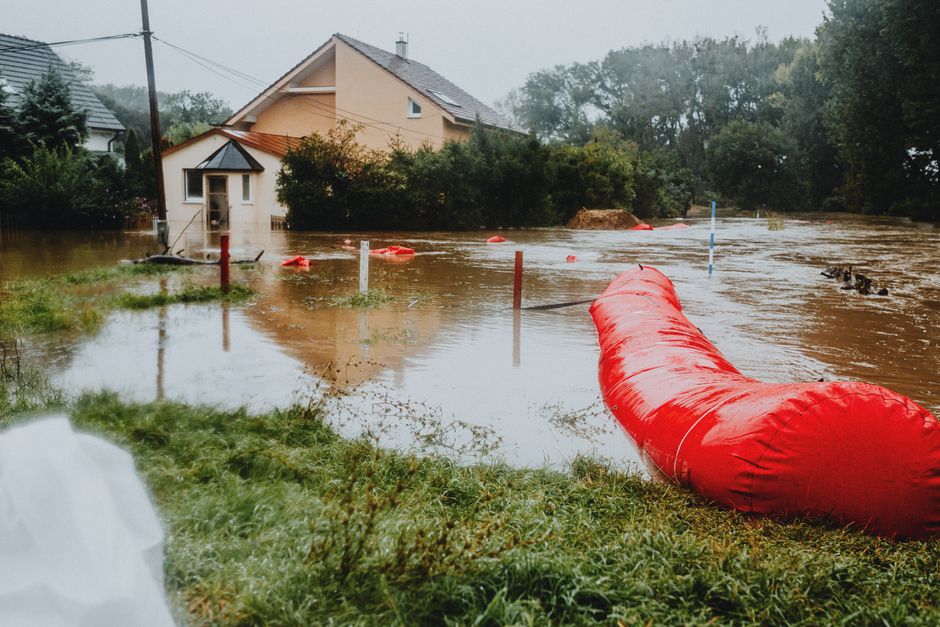
How to Make a Water Damage Insurance Claim: The Ultimate Guide to Getting Paid Fast
You walk downstairs at 2 AM. Your socks are soaked. The ceiling is dripping. Your hardwood floors are warping. Your first thought isn’t about insurance—it’s panic. But here’s the truth: how you act in the first 24 hours determines whether your claim gets approved or denied.
Water damage is one of the most common—and most misunderstood—home insurance claims. According to a 2024 Insurance Information Institute report, water damage accounts for nearly 24% of all homeowner claims, yet over 30% of those claims are either underpaid or outright rejected. Why? Because most homeowners don’t know the rules of the game.
This guide isn’t just another generic checklist. It’s a battle-tested playbook to help you file a water damage insurance claim that actually gets paid—fast.
The Shocking Reason Most Water Damage Claims Get Denied
Here’s a myth that needs to die: your insurance company is not your friend. They’re a business. Their goal is to pay out as little as possible. And they know that most homeowners make critical mistakes in the first 48 hours.
According to a 2024 National Association of Insurance Commissioners (NAIC) study, the number one reason for claim denial is “failure to mitigate further damage.” That means if you don’t act quickly to stop the water from causing more harm, your insurer can legally refuse to pay.
“Policyholders often assume coverage is automatic. But insurance companies look for any reason to deny a claim. Documentation and speed are your best allies.” — Dr. Jane Simmons, Insurance Policy Analyst at the National Claims Institute
Actionable Tip: The moment you discover water damage, start documenting everything. Take photos, videos, and notes. Your phone is your most powerful tool.
Step 1: Stop the Source and Mitigate Further Damage
Before you even think about calling your insurer, you must stop the water source. This is non-negotiable. Whether it’s a burst pipe, a leaking roof, or a failed washing machine hose, your first job is to prevent additional damage.
Here’s what to do immediately:
- Shut off the main water supply if the source is internal.
- Turn off electricity in affected areas to prevent electrocution.
- Use towels, mops, or a wet/dry vacuum to remove standing water.
- Open windows and use fans to start drying the area.
- Move valuables to a dry location.
Why this matters: Insurance companies will ask, “Did you take reasonable steps to prevent further damage?” If the answer is no, your claim is in jeopardy.
Step 2: Document Everything Like a Pro
This is where most people fail. They take a few blurry photos and call it a day. But your documentation is your evidence. The more detailed, the better.
Here’s your documentation checklist:
- Photos of the damage — wide shots and close-ups.
- Video walkthrough — narrate what you’re seeing.
- Date and time stamps — use your phone’s metadata.
- List of damaged items — include brand, model, age, and estimated value.
- Receipts for emergency repairs — keep every receipt.
Pro Tip: Create a dedicated folder on your phone or cloud storage. Label it “Water Damage Claim – [Date].” This keeps everything organized and easy to share with your adjuster.
Step 3: Call Your Insurance Company Immediately
Don’t wait. The sooner you report the damage, the stronger your case. Most policies require “prompt notice” of a claim. Delaying can give your insurer an excuse to deny or reduce your payout.
When you call, be prepared to answer these questions:
- When did the damage occur?
- What caused the damage?
- What areas of the home are affected?
- Have you taken steps to mitigate further damage?
- Do you have photos or video evidence?
Important: Be honest, but don’t speculate. If you don’t know the cause, say so. Never guess or assume—it can hurt your claim later.
Step 4: Understand Your Policy Coverage
Not all water damage is covered. This is where many homeowners get blindsided. Your policy type determines what’s included.
Here’s a quick breakdown:
| Type of Water Damage | Typically Covered? | Notes |
|---|---|---|
| Burst pipe (sudden) | Yes | Most standard policies cover sudden, accidental discharge. |
| Gradual leak (slow drip) | No | Considered maintenance issue; not covered. |
| Flood (external) | No | Requires separate flood insurance (NFIP or private). |
| Sewer backup | Sometimes | Often requires an endorsement or rider. |
| Roof leak (storm damage) | Yes | Covered if caused by a covered peril (e.g., wind, hail). |
| Appliance failure | Yes | Covered if sudden; not if due to wear and tear. |
Actionable Tip: Pull out your policy documents now. Look for “covered perils” and “exclusions.” If you’re unsure, call your agent and ask specifically about water damage scenarios.
Step 5: Work With the Insurance Adjuster
Your insurance company will send an adjuster to inspect the damage. This person is not on your side. Their job is to assess the claim and determine the payout—often as low as possible.
Here’s how to handle the adjuster visit:
- Be present during the inspection. Don’t let them go alone.
- Point out all damage — even things they might miss.
- Share your documentation — photos, videos, receipts.
- Don’t accept the first offer — it’s usually lowball.
- Take notes — record what the adjuster says.
Counter-Intuitive Truth: Many homeowners think being friendly to the adjuster will help. It won’t. Be polite, but be firm. You’re negotiating a business transaction.
Step 6: Get Your Own Estimates
Don’t rely solely on the insurance company’s estimate. Get at least two independent contractor estimates for the repairs. This gives you leverage.
Here’s why this matters:
- The insurer’s estimate may undervalue the damage.
- Independent contractors often find hidden damage (e.g., mold, structural issues).
- Multiple estimates create a paper trail that supports your claim.
Pro Tip: Choose licensed, insured contractors. Ask for itemized estimates—not just a lump sum.
Step 7: Don’t Accept a Lowball Offer
According to a 2024 Consumer Federation of America report, over 40% of homeowners who disputed their initial offer received a higher payout—on average, 35% more.
If you believe the insurer’s offer is too low:
- Submit a written dispute with your evidence.
- Include independent estimates and photos.
- Request a re-inspection if necessary.
- Consider hiring a public adjuster — they work for you, not the insurer.
“Policyholders who advocate for themselves—armed with documentation and independent estimates—consistently receive higher settlements.” — Mark Thompson, Licensed Public Adjuster and Author of “The Claims Game”
Step 8: Know When to Hire a Public Adjuster
If your claim is complex, large, or denied, a public adjuster can be a game-changer. These professionals represent you—not the insurance company.
Here’s when to consider one:
- Your claim exceeds $10,000.
- The insurer is dragging their feet.
- You suspect the damage is more extensive than reported.
- Your claim was denied and you believe it’s unjust.
Cost: Public adjusters typically charge 10–15% of the final settlement. But if they increase your payout by 30% or more, it’s worth it.
Step 9: Prevent Future Water Damage
Once your claim is settled, don’t wait for the next disaster. Take steps to prevent future water damage—and potentially lower your premiums.
Here’s your prevention checklist:
- Inspect pipes annually — look for corrosion, leaks, or bulges.
- Replace old hoses — washing machine and dishwasher hoses fail often.
- Install water sensors — they alert you to leaks early.
- Clean gutters regularly — prevent roof leaks.
- Know your main shut-off valve — every household member should know where it is.
Bonus: Some insurers offer discounts for homes with leak detection systems. Ask your agent.
The Emotional Toll: A Real-World Story
Let me tell you about Sarah, a homeowner in Houston. In 2023, a pipe burst in her attic while she was at work. By the time she got home, her entire second floor was flooded. Furniture ruined. Family photos destroyed. Her kids’ toys soaked.
Sarah did everything right. She shut off the water, called her insurer, documented everything, and hired a public adjuster. But the process took four months. She fought for every dollar. The initial offer was $18,000. After negotiations, she received $42,000.
“It was exhausting,” Sarah said. “But I learned that you have to fight for what you’re owed. The insurance company isn’t going to hand it to you.”
Sarah’s story isn’t unique. Thousands of homeowners face the same battle every year. But with the right knowledge, you can win.
Common Mistakes That Kill Your Claim
Even smart homeowners make these errors. Avoid them at all costs.
- Waiting too long to report — delays raise red flags.
- Throwing away damaged items — keep everything until the adjuster sees it.
- Making permanent repairs too soon — the adjuster needs to see the damage.
- Not reading your policy — ignorance isn’t a defense.
- Accepting the first offer — it’s almost always low.
Actionable Tip: Before disaster strikes, read your policy cover to cover. Know your coverage limits, deductibles, and exclusions.
FAQ
How long do I have to file a water damage insurance claim?
Most policies require “prompt notice,” which typically means within 30 days. However, the sooner you report, the better. Delays can lead to denial.
Does home insurance cover all types of water damage?
No. Standard policies cover sudden, accidental water damage (like a burst pipe) but exclude floods, gradual leaks, and sewer backups unless you have additional coverage.
What if my water damage claim is denied?
You can dispute the decision. Submit a written appeal with evidence, independent estimates, and a clear explanation. Consider hiring a public adjuster or consulting an attorney.
Should I hire a public adjuster?
If your claim is large, complex, or denied, a public adjuster can help. They typically charge 10–15% of the settlement but often increase your payout significantly.
How can I maximize my water damage claim payout?
Document everything, get independent estimates, don’t accept the first offer, and consider hiring a public adjuster. Knowledge and preparation are your best tools.
Can I claim water damage on my taxes?
In some cases, yes. If the damage is due to a federally declared disaster, you may be able to deduct unreimbursed losses on your tax return. Consult a tax professional.
Final Thoughts: Your Claim, Your Fight
Water damage is stressful. The insurance process can feel overwhelming. But you have more power than you think. With the right knowledge, documentation, and strategy, you can get the payout you deserve.
Remember: speed, documentation, and persistence are your three pillars of success. Don’t let the insurance company lowball you. Don’t accept a denial without a fight. And don’t wait until disaster strikes to learn the rules.
If this guide helped you, share it with someone who needs it. Tag a friend, a family member, or a neighbor who owns a home. Because when the water rises, knowledge is the best insurance you can have.