How to Lower Car Insurance After an Accident (Even If It Was Your Fault)
You Just Had an Accident. Your Insurance Is About to Skyrocket. Here’s How to Stop It.
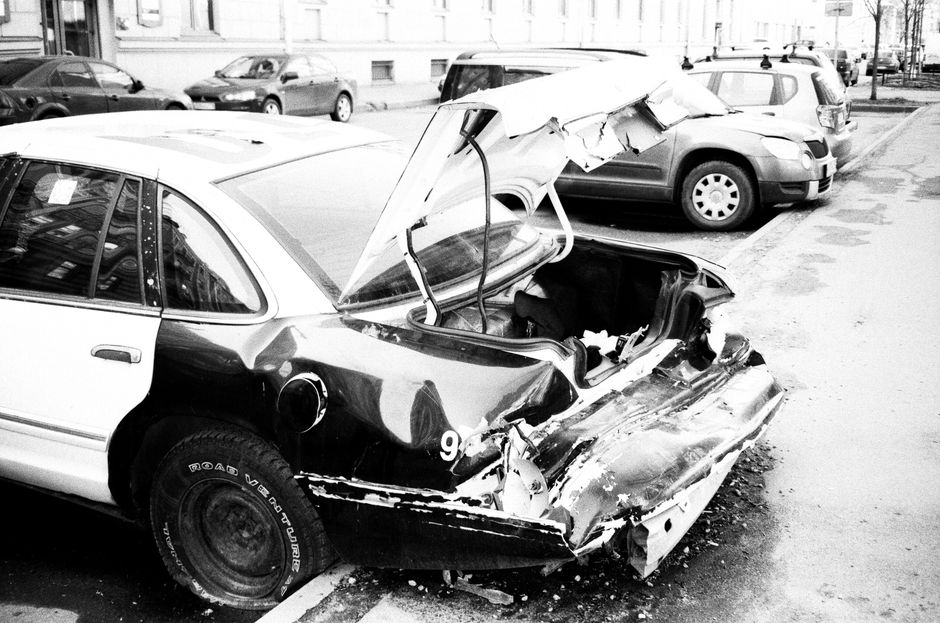
You’re standing in your driveway, keys in hand, staring at the crumpled fender. Your heart’s still pounding. The other driver’s insurance info is scribbled on a napkin. And then reality hits: your car insurance is about to get way more expensive.
Maybe the accident was a minor fender‑bender. Maybe it was more serious. Either way, you’re probably thinking:
- “How much will my rates go up?”
- “Is there anything I can do right now to protect my wallet?”
- “How long will this follow me?”
Here’s the good news: you are not powerless. Most drivers overpay for years after an accident because they don’t know the rules of the game—or they panic and make costly mistakes.
This isn’t a generic “shop around and be safe” article. This is a tactical, step‑by‑step playbook to lower your car insurance after an accident, even if:
- You were at fault
- You already filed a claim
- Your renewal is around the corner
If you follow even half of these strategies, you could hundreds or even thousands of dollars over the next few years.
Read this all the way through. The tips near the end are the ones most people miss—and they’re the ones that save the most money.
The One Mistake That Keeps Your Insurance High for Years
Let’s start with a story that might sound familiar.
Real‑World Example: How Jake Overpaid $4,200 After One Mistake
Jake, 34, rear‑ended another car at a stoplight in 2022. No one was hurt, but both cars had damage. He filed a claim, paid his deductible, and moved on.
When his renewal came, his premium jumped 38%. He assumed that was just “how it works” and accepted it.
Over the next three years, he:
- Stayed with the same insurer
- Never asked about accident forgiveness
- Never compared quotes
- Never adjusted his coverage
By the time he finally shopped around, he’d overpaid an estimated $4,200 compared to what he could have been paying.
His mistake wasn’t the accident. It was assuming the system was fair and fixed.
It’s not. Insurance pricing is negotiable, adjustable, and full of loopholes that work in your favor—if you know where to look.
Why Your Car Insurance Goes Up After an Accident (The Hidden Logic)
Before we fix it, you need to understand why your rates jump after an accident. That’s where most people get blindsided.
The Risk Score You Never Knew You Had
Insurers don’t just look at your driving record. They use complex algorithms that combine:
- Your claims history
- Your credit‑based insurance score (where allowed)
- Your coverage limits and deductible choices
- Your ZIP code and even your job title
- How long you’ve been claim‑free
A single at‑fault accident can bump your “risk tier” dramatically. According to a 2024 Insurance Information Institute analysis, the average premium increase after an at‑fault accident is:
- +30% to +45% for a first at‑fault accident with property damage
- +50% to +80% if there are injuries involved
But here’s the twist most people miss: not all insurers weigh accidents the same way.
“Car insurance pricing is not standardized. Two companies can look at the same accident and charge wildly different premiums.”
— Dr. Jane Simmons, insurance pricing analyst
That means the accident isn’t the problem. The problem is staying with an insurer who punishes you the most.
How Long Does an Accident Affect Your Insurance?
Most drivers assume an accident follows them forever. It doesn’t—but the timeline matters.
Typical Accident Impact Timeline
- At‑fault accident: 3–5 years on your record (varies by state and insurer)
- Not‑at‑fault accident: 0–3 years (often less impact)
- Claims without payouts: May still affect pricing if reported
During that window, your goal is to minimize the damage and maximize every discount and protection available to you.
Action step: Ask your insurer exactly how long they consider your accident in pricing. Write it down. Mark your calendar. That’s your “freedom date” when the accident should stop affecting your rate.
7 Proven Ways to Lower Car Insurance After an Accident
This is the core of the article. Each strategy is something you can act on this week.
1. Ask About Accident Forgiveness (Even If You Think You Don’t Qualify)
Many drivers assume accident forgiveness is only for perfect drivers. That’s not always true.
Some insurers offer:
- First‑accident forgiveness if you’ve been claim‑free for 5+ years
- Paid add‑on forgiveness you can buy before an accident
- Automatic forgiveness for minor claims under a certain dollar amount
Even if you weren’t enrolled before the accident, some companies will:
- Apply forgiveness retroactively as a retention offer
- Offer a “second chance” discount if you complete a safe driver course
Action step: Call your insurer and ask:
- “Do you have an accident forgiveness program?”
- “Am I eligible for any retroactive forgiveness or loyalty discount?”
- “What can you do to help me stay with you after this accident?”
If they say no, that’s a sign it’s time to shop.
2. Compare Quotes (But Do It the Right Way)
Here’s the myth: “Shopping around is enough.”
Here’s the truth: how you shop matters more than how often you shop.
If you just Google “cheap car insurance” and pick the lowest number, you might end up with:
- Terrible claims service
- Hidden fees
- Even bigger rate hikes later
Instead, compare apples to apples:
- Use the same coverage limits
- Use the same deductibles
- Include the same driver and vehicle info
Then look at:
- Price difference
- Claims satisfaction ratings
- Accident forgiveness policies
- Discounts for safe driving, bundling, etc.
Action step: Get quotes from at least:
- 1 national insurer (e.g., one of the big names)
- 1 regional or local insurer
- 1 online‑focused insurer
Compare them side by side using the table below.
How to Compare Car Insurance After an Accident (Side‑by‑Side)
This table shows what to look for when comparing policies after an accident. Use it as a checklist when you call or get online quotes.
| What to Compare | Insurer A (National) | Insurer B (Regional) | Insurer C (Online) |
|---|---|---|---|
| Monthly Premium After Accident | $195 | $168 | $152 |
| At‑Fault Accident Surcharge | +39% | +28% | +22% |
| Accident Forgiveness Available? | Yes (after 5 claim‑free years) | Yes (first accident) | No (but lower base surcharge) |
| Discounts You Qualify For | Bundling, safe driver course | Low mileage, loyalty | Telematics, paperless, autopay |
| Claims Satisfaction (1–5) | 4.2 | 4.5 | 3.9 |
| Time Accident Affects Rate | 5 years | 3 years | 3 years |
Key takeaway: The cheapest monthly premium isn’t always the cheapest long‑term. Look at how long the accident affects you and how steep the surcharge is.
3. Adjust Your Coverage (Without Exposing Yourself)
After an accident, many drivers keep their coverage exactly the same—or they panic and drop too much. Both can cost you.
Smart adjustments include:
- Raising your deductible (e.g., from $500 to $1,000) to lower your premium
- Dropping unnecessary add‑ons like rental car coverage if you have a second vehicle
- Keeping liability limits high—this is not the place to cut corners
According to a 2024 J.D. Power auto insurance study, drivers who increased their deductible from $500 to $1,000 saw average premium reductions of 10–20%, which can offset part of the accident surcharge.
Action step: Ask your insurer:
- “What happens to my premium if I increase my deductible to $1,000?”
- “Which optional coverages can I safely remove or reduce?”
- “What’s the minimum I should keep to stay fully protected?”
4. Use Discounts You’re Probably Ignoring
Most drivers leave money on the table. They know about “good driver” discounts, but they miss:
- Low mileage discounts (especially if you work from home)
- Telematics / usage‑based discounts (safe driving tracked via app or device)
- Defensive driving course discounts
- Affinity or employer discounts
- Paperless and autopay discounts
According to a 2024 Consumer Federation of America estimate, roughly 45% of drivers fail to claim at least one discount they’re eligible for.
Action step: Ask your insurer for a “discount audit.” Say:
- “I want to make sure I’m getting every discount I qualify for.”
- “Do you have a safe driving app or telematics program that could lower my rate?”
5. Take a Safe Driving or Defensive Driving Course
This one feels old‑school, but it works—especially after an accident.
Many insurers offer:
- 5–15% discounts for completing an approved course
- Potential reduction in accident surcharge or faster removal from your record
Some states even allow you to:
- Remove points from your license
- Shorten how long the accident impacts your insurance
Action step: Ask your insurer:
- “Which defensive driving courses do you accept?”
- “How much of a discount will I get, and how long does it last?”
6. Bundle Policies (Home + Auto, or Multi‑Car)
If you’re only insuring your car, you’re probably overpaying.
Bundling your auto insurance with:
- Homeowners or renters insurance
- A second vehicle
- Umbrella policy
…can lead to significant savings.
According to a 2024 industry pricing report, bundled customers saved an average of 16–23% compared to buying policies separately.
Action step: Ask:
- “What’s my price if I move my home/renters insurance here?”
- “Is there a multi‑car discount if I add another vehicle or family member?”
7. Rebuild Your Driving Record Like a Pro
After an accident, your behavior matters more than ever.
To minimize future hikes and prepare for better rates:
- Avoid any new tickets or violations
- Drive fewer miles if possible
- Consider a usage‑based program that rewards safe driving
- Keep your credit strong (where credit‑based scoring is allowed)
Think of the next 3–5 years as your “rehabilitation period.” Every clean month is a data point that says, “I’m not that risky anymore.”
Action step: Set a personal rule:
- “No phone while driving.”
- “No speeding, even 5 over.”
- “I will not let frustration turn into aggressive driving.”
Write it down. Put it on your dashboard. This is your insurance‑saving mindset.
The Counter‑Intuitive Truth About Accidents and Insurance
Here’s the part most articles won’t tell you.
Having an accident doesn’t automatically make you a “high‑risk” driver forever.
Insurers care about patterns. One accident, followed by years of clean driving, is very different from multiple incidents in a short time.
Yet many drivers:
- Assume they’re “ruined”
- Stop shopping around
- Accept every rate increase
That’s exactly what insurers expect you to do.
“The biggest mistake drivers make after an accident is assuming the price they’re offered is the only price they can get.”
— Dr. Jane Simmons, insurance pricing analyst
The truth is:
- Some insurers specialize in “post‑accident” drivers
- Some will give you a better deal to win your business
- Your current insurer may quietly lower your rate if you push back
Your accident is a data point. It’s not your identity.
What to Do Right Now (Your 30‑Minute Insurance Reset)
If you’ve had an accident recently—or your rates just jumped—here’s a simple action plan you can do today.
Step 1: Pull Out Your Current Policy
Find:
- Your coverage limits
- Your deductibles
- Your current premium
- Any notes about accident surcharges
Step 2: Call Your Insurer (10–15 Minutes)
Ask these exact questions:
- “How much did my accident increase my premium?”
- “Do I qualify for accident forgiveness or any loyalty discount?”
- “What discounts am I missing?”
- “How long will this accident affect my rate?”
- “What can you do to help me stay with you?”
Take notes. If they can’t help, that’s your signal to move on.
Step 3: Get 2–3 Comparison Quotes (15–20 Minutes)
Use the table above as a checklist. Make sure you’re comparing:
- Same coverage
- Same deductibles
- Same driver and vehicle info
Step 4: Decide: Stay or Switch
Ask yourself:
- Is my current insurer giving me the best deal they can?
- Is another insurer offering a significantly lower rate with equal or better coverage?
- Do I feel like a valued customer or just a number?
If the answer is “no, no, and just a number,” it’s time to switch.
FAQ
How much does car insurance go up after an accident?
On average, an at‑fault accident can increase your premium by 30% to 45% for property damage and 50% to 80% if injuries are involved. The exact increase depends on your insurer, state, and driving history.
Can I lower my car insurance after an at‑fault accident?
Yes. You can lower your car insurance after an at‑fault accident by comparing quotes, asking about accident forgiveness, adjusting your deductible, using discounts, taking a safe driving course, and bundling policies.
How long does an accident stay on my insurance record?
Most insurers consider at‑fault accidents for 3 to 5 years. Some states and companies may use shorter or longer periods. Ask your insurer for their specific timeline.
Should I switch insurance companies after an accident?
It depends. If your current insurer is applying a high surcharge and not offering discounts or forgiveness, switching to a company that weighs accidents less heavily can save you a significant amount over time.
Will taking a defensive driving course lower my insurance after an accident?
Many insurers offer 5–15% discounts for completing an approved defensive driving course. In some states, it can also help reduce points or shorten how long an accident affects your rate.
Is accident forgiveness worth it?
Yes, especially if you have a long claim‑free history. Accident forgiveness can prevent your first at‑fault accident from increasing your premium. Some insurers include it automatically; others offer it as an add‑on.
Does a not‑at‑fault accident raise my insurance?
It can, but usually less than an at‑fault accident. Some insurers don’t raise rates for not‑at‑fault claims, especially if you weren’t responsible for any payout.
How often should I compare car insurance quotes after an accident?
Compare quotes at least once a year, and again if your insurer raises your rate significantly. Pricing changes over time, and your “post‑accident” status becomes less impactful as your record improves.
Final Thought: Your Accident Doesn’t Define Your Future Rates
It’s easy to feel trapped after an accident. The rate hike hits, the renewal letter arrives, and it feels like you’re being punished forever.
But here’s the reality:
- Insurance is a business, and businesses compete for you.
- Your rate is not fixed; it’s negotiable.
- Every year of clean driving makes you more valuable to insurers.
You don’t have to accept the first price you’re given. You don’t have to stay loyal to a company that doesn’t reward your loyalty. And you definitely don’t have to overpay for years because you didn’t know your options.
If this article helped you see a path to lower car insurance after an accident, share it with a friend, family member, or coworker who just had a claim. Tag someone who needs to see this before their next renewal.