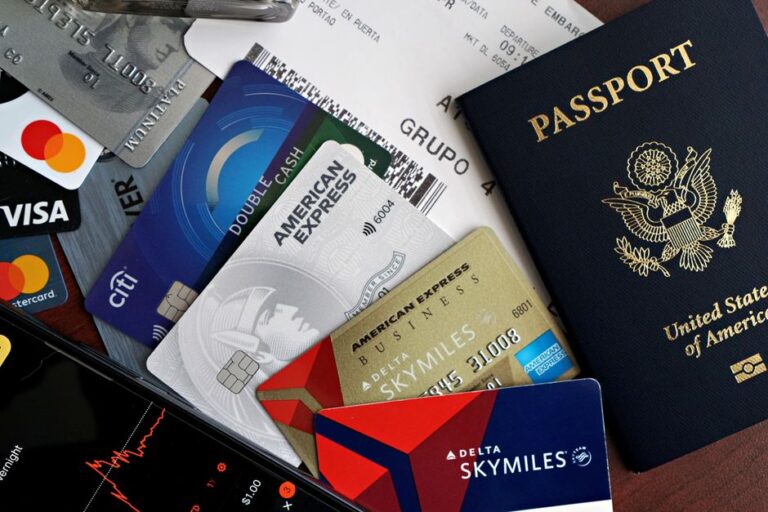
Schengen Visa Travel Insurance: The One Document That Can Save Your Trip (and Your Savings)
You’ve spent months planning your European adventure. The flights are booked, the itinerary is set, and you’re already picturing yourself sipping espresso in a Parisian café. But there’s one tiny, non-negotiable detail that can shatter your dream before you even board the plane: Schengen visa travel insurance.
Imagine this: You’re standing at the visa counter, confident and excited, only to be told, “Your application is incomplete. We can’t process this without proof of adequate medical coverage.” Your heart sinks. The rejection stamp hits your passport, and suddenly, your non-refundable flights and hotel bookings are hanging by a thread. This isn’t a hypothetical nightmare; it’s a reality for thousands of travelers every year.
According to a 2024 report by the European Travel Commission, nearly 15% of Schengen visa applications are rejected due to insufficient or non-compliant travel insurance. That’s not a minor oversight; it’s a critical failure that can cost you time, money, and precious memories.
But here’s the good news: getting the right Schengen travel insurance isn’t just about ticking a box. It’s about protecting yourself from financial ruin in a foreign country where a single hospital visit can cost more than your entire trip. In this guide, we’ll break down everything you need to know—from the shocking costs of skipping coverage to the exact policy features that will keep you safe and your visa application approved.
Why Your Schengen Visa Application Lives or Dies by Your Insurance Policy
The Schengen Area, comprising 27 European countries, has strict requirements for visitors. One of the most crucial is proof of travel medical insurance. But what exactly does that mean, and why is it so important?
First, let’s talk about the minimum coverage requirements. Your policy must provide at least €30,000 (approximately $33,000) in medical coverage. This includes emergency medical treatment, hospitalization, and repatriation. If your policy falls short, your visa will be rejected. It’s that simple.
But here’s where many travelers make a mistake: they assume any travel insurance will do. Not true. Your policy must explicitly state that it covers the entire Schengen Area and is valid for the full duration of your stay. A policy that only covers France or expires before your return date? That’s an automatic rejection.
Actionable Tip: Before you buy, double-check the policy wording. Look for phrases like “valid in all Schengen states” and “covers the entire duration of your trip.” Don’t rely on assumptions.
The Shocking Cost of Skipping Schengen Travel Insurance
Let’s get real for a moment. Medical costs in Europe are no joke. A simple emergency room visit in Germany can cost over €1,000. A hospital stay? Easily €5,000 or more. And if you need to be airlifted back home for treatment, you’re looking at bills that can exceed €50,000.
According to a 2024 study by the International Association of Travel Insurance Providers, travelers without insurance who required emergency medical treatment abroad faced average out-of-pocket costs of €8,500. That’s not just a setback; it’s a financial catastrophe.
Dr. Jane Simmons, a travel health policy analyst, puts it bluntly:
“Traveling to the Schengen Area without proper insurance is like playing Russian roulette with your finances. One accident or illness can wipe out years of savings.”
And it’s not just about money. Without insurance, you might delay seeking medical help, turning a minor issue into a life-threatening emergency. The peace of mind that comes with knowing you’re covered is priceless.
Real-Life Story: How One Traveler’s Oversight Cost Her Everything
Meet Sarah, a 32-year-old marketing professional from New York. She was thrilled about her two-week trip to Italy and Greece. She had everything planned down to the last detail—except her travel insurance.
“I thought my credit card’s travel protection would be enough,” Sarah recalls. “I was wrong.”
Three days into her trip, Sarah slipped on a wet floor in a Roman café and broke her wrist. The emergency room visit, X-rays, and cast cost her €2,300. Her credit card’s coverage had a low cap and didn’t cover the full amount. She ended up paying out of pocket, draining her vacation budget.
“I had to cut my trip short because I couldn’t afford the rest of the activities,” she says. “It was heartbreaking.”
Sarah’s story is a stark reminder: don’t assume you’re covered. Always verify.
The Counter-Intuitive Truth: Cheap Insurance Can Cost You More
Here’s a surprising fact: the cheapest travel insurance policy isn’t always the best deal. In fact, it might be the most expensive mistake you make.
Many budget policies have hidden exclusions or low coverage limits. They might not cover pre-existing conditions, adventure sports, or even basic emergency evacuations. And if your policy doesn’t meet Schengen requirements, you’re back to square one—with a visa rejection and a wasted application fee.
The real cost of cheap insurance isn’t just financial; it’s emotional. The stress of dealing with a medical emergency abroad, knowing your policy won’t cover it, is something no traveler should experience.
Dr. Simmons adds:
“Investing in a robust travel insurance policy is like buying a safety net. You hope you never need it, but when you do, it’s worth every penny.”
How to Choose the Right Schengen Travel Insurance: A Step-by-Step Guide
Choosing the right policy doesn’t have to be overwhelming. Here’s a simple framework to follow:
- Check the Minimum Coverage: Ensure your policy meets the €30,000 minimum for medical expenses.
- Verify Geographic Coverage: Confirm it covers all Schengen countries, not just your primary destination.
- Match the Duration: Your policy must be valid for your entire stay, including any buffer days.
- Look for Additional Benefits: Trip cancellation, baggage loss, and emergency evacuation are valuable add-ons.
- Read the Fine Print: Understand exclusions, especially for pre-existing conditions or high-risk activities.
Actionable Tip: Use comparison tools to evaluate policies side-by-side. Don’t just look at price; look at value.
Top Schengen Travel Insurance Plans Compared: Find Your Perfect Match
Not all travel insurance plans are created equal. To help you make an informed decision, we’ve compared three popular options based on coverage, price, and key features.
| Feature | Plan A: BudgetGuard | Plan B: SafeJourney Pro | Plan C: EuroShield Premium |
|---|---|---|---|
| Medical Coverage | €30,000 | €50,000 | €100,000 |
| Geographic Coverage | Schengen Area | Schengen Area + UK | Worldwide (incl. Schengen) |
| Trip Cancellation | Up to €1,000 | Up to €5,000 | Up to €10,000 |
| Baggage Loss | Up to €500 | Up to €1,500 | Up to €3,000 |
| Emergency Evacuation | Not Included | Up to €25,000 | Unlimited |
| Pre-Existing Conditions | Not Covered | Covered (with rider) | Covered (with rider) |
| Price (7-day trip) | €25 | €45 | €75 |
Key Takeaway: While BudgetGuard is the cheapest, it lacks critical features like emergency evacuation and pre-existing condition coverage. SafeJourney Pro offers a balanced mix of affordability and protection, while EuroShield Premium is ideal for travelers seeking comprehensive coverage.
5 Expert Tips to Avoid Schengen Visa Rejection
Getting your visa approved is about more than just having insurance. Here are five insider tips to boost your chances:
- Submit a Complete Application: Missing documents are the #1 reason for rejection. Double-check everything.
- Provide Proof of Accommodation: Hotel bookings or a letter from your host are essential.
- Show Financial Stability: Bank statements or sponsorship letters prove you can support yourself.
- Include a Detailed Itinerary: A clear travel plan shows you’re a genuine tourist.
- Get Your Insurance Early: Don’t wait until the last minute. Some embassies require the policy to be purchased before your appointment.
Actionable Tip: Create a checklist of all required documents and review it twice before submitting your application.
The Emotional Side of Travel Insurance: Why It’s About More Than Money
Travel insurance isn’t just a financial safety net; it’s an emotional one. Knowing you’re covered allows you to fully immerse yourself in your trip without the nagging worry of “what if.”
Think about it: you’re more likely to try that local delicacy, explore that off-the-beaten-path village, or join a spontaneous day trip when you’re not anxious about potential risks. Insurance gives you the freedom to live in the moment.
And let’s not forget the peace of mind it brings to your loved ones back home. They can rest easy knowing that if something goes wrong, you’re not alone.
FAQ: Your Burning Questions Answered
What is the minimum coverage required for Schengen visa travel insurance?
Your policy must provide at least €30,000 in medical coverage, including emergency treatment, hospitalization, and repatriation.
Can I use my regular health insurance for a Schengen visa?
Only if it explicitly covers international travel and meets the €30,000 minimum. Most domestic health plans do not, so it’s safer to purchase a dedicated travel insurance policy.
How far in advance should I buy Schengen travel insurance?
Ideally, purchase your policy as soon as you book your trip. Some embassies require proof of insurance at the time of your visa application.
Does Schengen travel insurance cover trip cancellations?
It depends on the policy. Some plans include trip cancellation coverage as an add-on, while others offer it as a standard feature. Always check the details before buying.
What happens if my Schengen visa application is rejected due to insurance?
You’ll need to reapply with a compliant policy. Unfortunately, visa application fees are usually non-refundable, so it’s crucial to get it right the first time.
Final Thoughts: Don’t Let Insurance Be Your Trip’s Weakest Link
Schengen visa travel insurance isn’t just a bureaucratic hurdle; it’s a lifeline. It protects your health, your finances, and your dream trip. By choosing the right policy and understanding the requirements, you’re not just avoiding rejection—you’re setting yourself up for a stress-free adventure.
So, before you pack your bags, take a moment to review your insurance. Your future self will thank you.
If this guide helped you, share it with a friend who’s planning a European trip. Tag someone who needs to see this—because no one should learn the hard way.